Ugo Rondinone
b.1964
우고 론디노네는 회화와 조각, 설치, 영상 등 다양한 매체를 통해 자연과 인공, 시간과 존재의 관계를 탐구해 온 스위스 출신의 현대미술 작가이다. 1964년 스위스 브루넨에서 태어나 1990년대 후반부터 뉴욕을 기반으로 활동해 온 그는 서로 다른 조형적 형식과 재료를 넘나들며 독자적인 시각 언어를 발전시켜 왔다. 그의 작업은 미니멀리즘과 개념미술의 형식적 전통을 비롯해 낭만주의와 자연에 대한 철학적 사유가 교차하는 지점에서 전개된다.
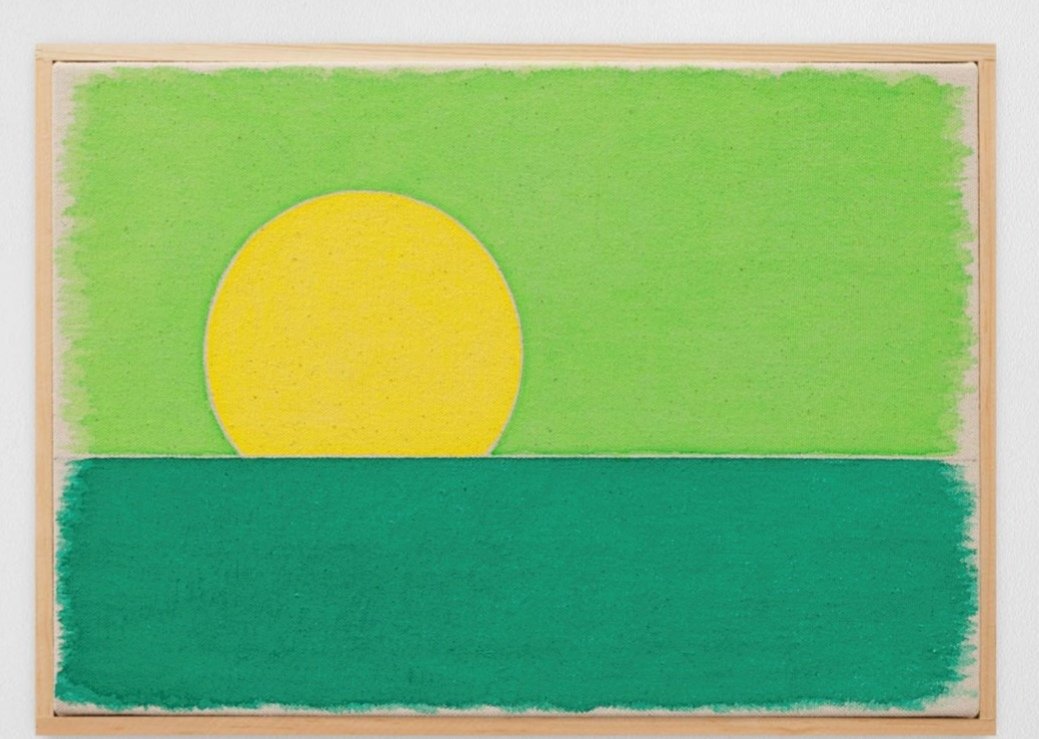
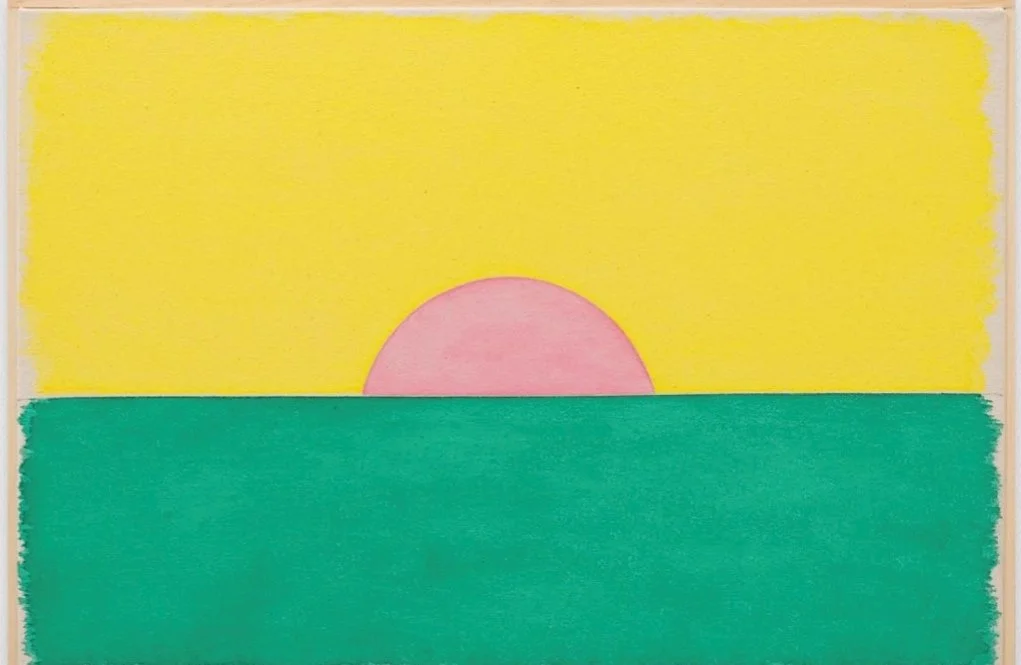
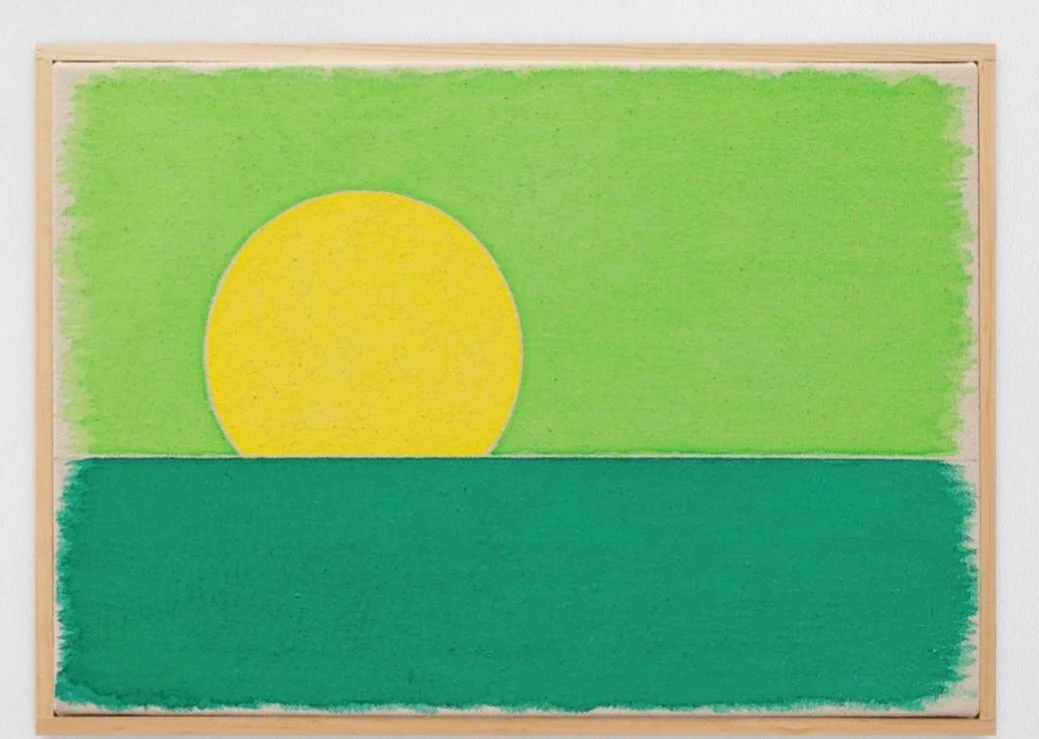
초기 회화에서 나타나는 동심원과 반복적인 색채의 구조는 이후 풍경과 하늘, 태양과 달을 다루는 연작으로 이어지며 시간과 지각의 문제를 확장한다. 제한된 형태와 색채의 점진적인 변화는 화면에 일정한 시각적 리듬을 형성하며, 반복되는 구성 속에서 개별적인 순간의 차이를 드러낸다. 날짜를 제목으로 사용하는 작업 방식은 일상적인 시간의 기록과 회화적 행위를 연결하며, 지속과 변화에 대한 관심을 작업의 구조 안으로 끌어들인다.
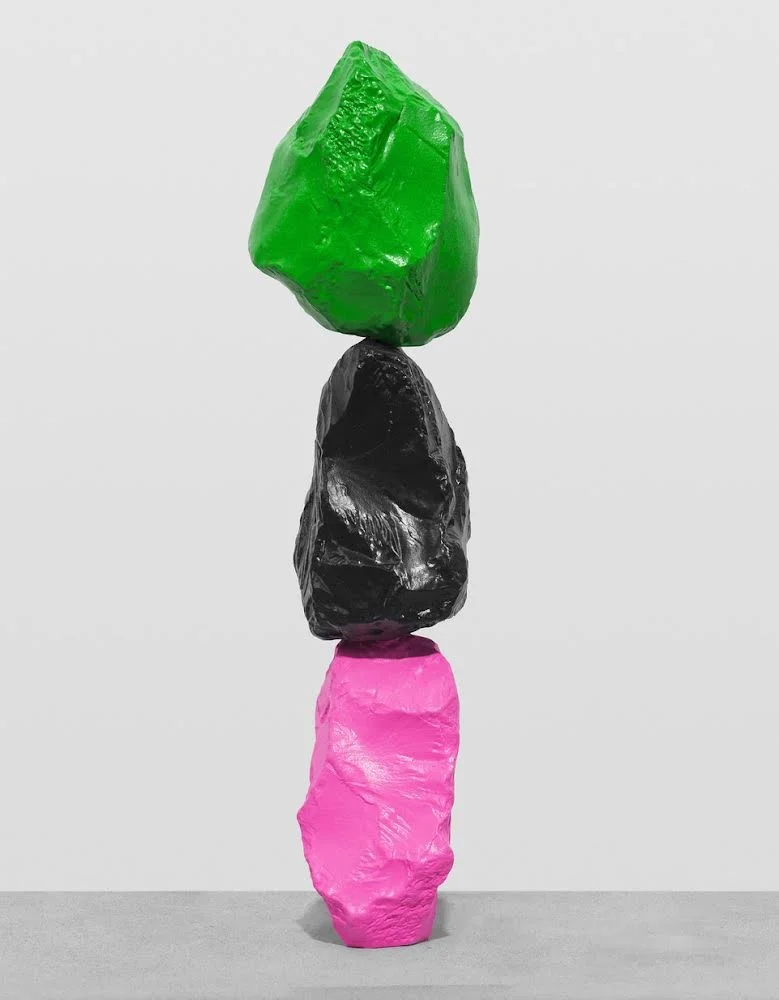
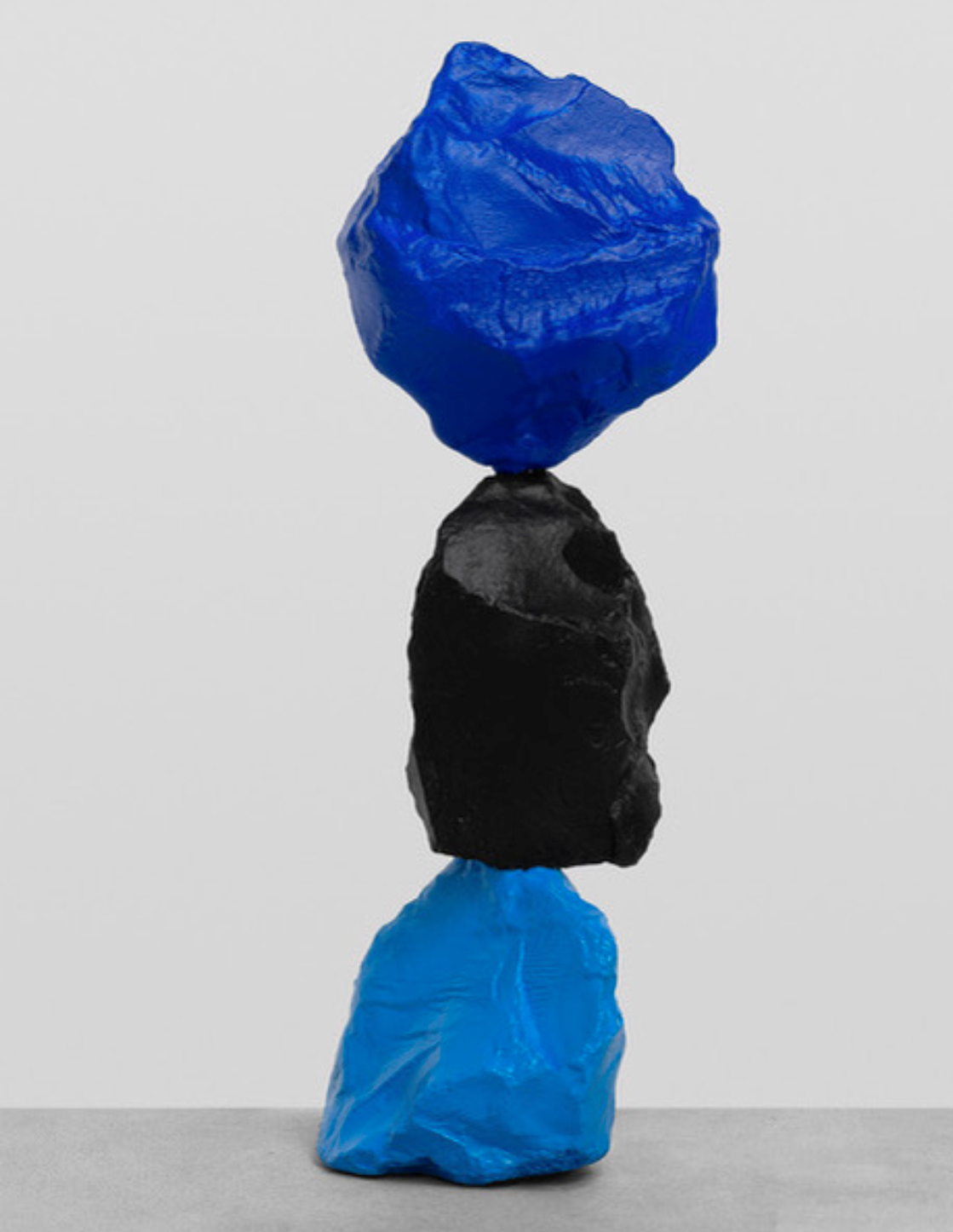
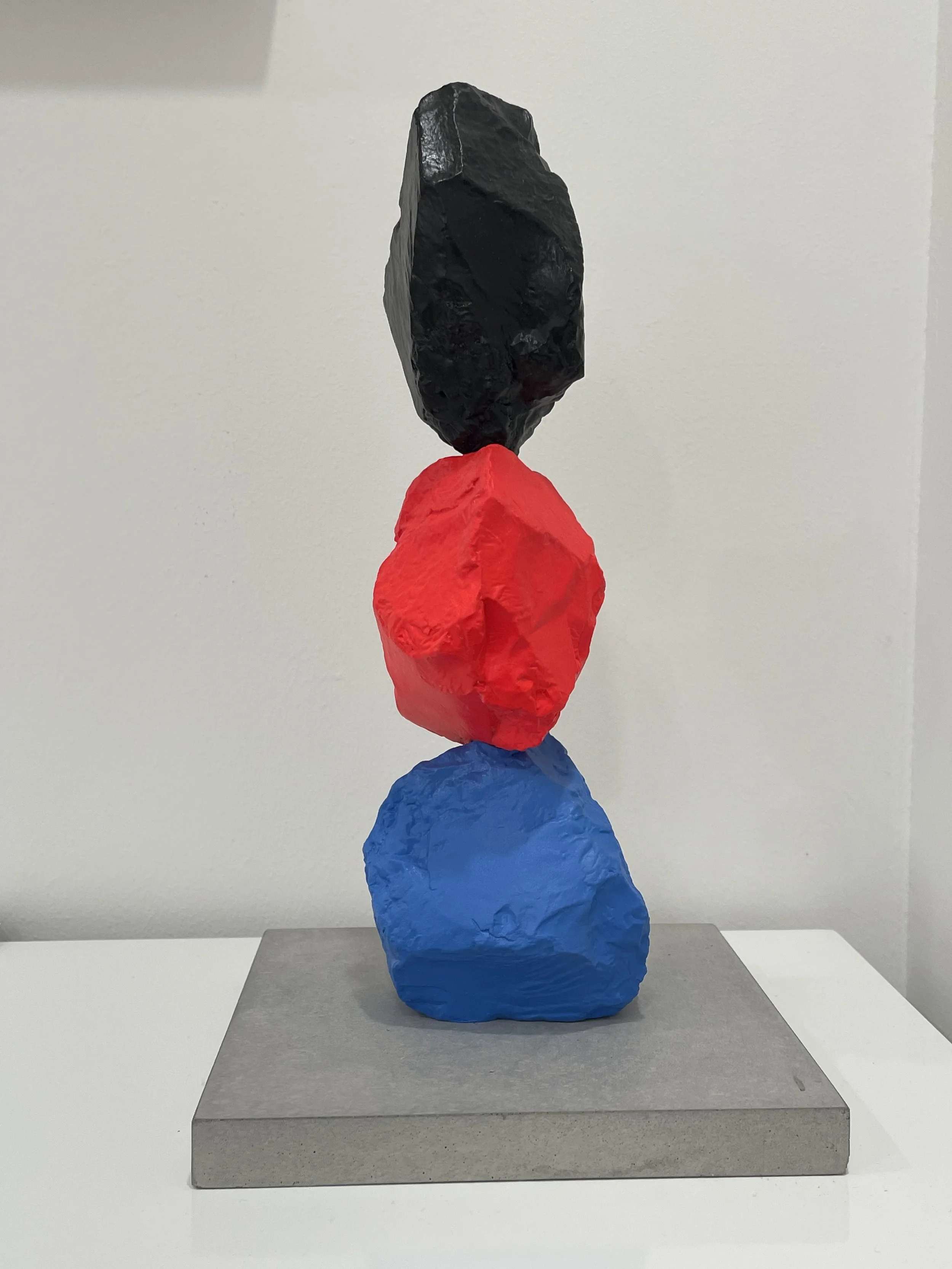
조각에서는 자연석과 청동, 콘크리트 등 서로 다른 물성을 지닌 재료를 활용해 신체와 자연의 형태를 단순화하고 재구성해 왔다. 수직으로 쌓아 올린 거대한 석재와 인체를 연상시키는 조형물은 원초적인 형태와 인공적인 색채의 병치를 통해 물질과 장소 사이의 관계를 드러낸다. 《Seven Magic Mountains》와 《nuns + monks》 연작에서는 자연적 형상과 조형적 개입 사이의 긴장이 보다 구체적인 공간적 구조로 전개된다.
론디노네의 작업에서 반복적으로 등장하는 태양과 달, 나무, 돌, 인물의 형상은 서로 다른 매체와 규모 속에서 지속적으로 변주된다. 이러한 모티프들은 회화의 평면과 조각의 물리적 공간, 실내 전시와 야외 환경 사이를 이동하며 개별적인 작업들을 느슨하게 연결하는 조형적 체계를 형성한다. 형식의 다양성에도 불구하고 그의 작업은 시간의 흐름과 자연의 순환, 신체와 환경의 관계에 대한 일관된 관심을 유지한다.
우고 론디노네의 예술은 동시대 미술의 개념적·형식적 실험을 바탕으로 자연과 인간의 관계를 다양한 매체를 통해 재구성해 온 실천으로 이해할 수 있다. 회화와 조각, 공공 설치의 영역을 가로지르는 그의 작업은 물질과 이미지, 자연적 시간과 인공적 구조 사이의 관계를 지속적으로 탐구하며 독자적인 조형적 영역을 구축해 왔다.
Ugo Rondinone is a Swiss contemporary artist whose multidisciplinary practice explores the relationships between nature and artifice, temporality and existence through painting, sculpture, installation, and moving-image media. Born in Brunnen, Switzerland, in 1964, he has been based in New York since the late 1990s, developing a distinct visual language across a diverse range of materials and formal approaches. His work engages with the legacies of Minimalism and Conceptual Art while drawing upon broader philosophical and aesthetic traditions associated with Romanticism and the natural world.
The concentric compositions and repetitive chromatic structures of Rondinone's early paintings evolved into sustained investigations of landscape, the sky, and celestial forms. Through gradual variations in color and restrained formal arrangements, these works establish a visual rhythm in which repetition becomes inseparable from the particularity of individual moments. His frequent use of dates as titles further connects the act of painting with the recording of lived time, bringing questions of duration and transformation into the structure of the work.
In sculpture, Rondinone employs materials including natural stone, bronze, and concrete to reduce and reconstruct forms associated with the human body and the natural environment. Monumental arrangements of stacked stones and simplified anthropomorphic figures juxtapose elemental forms with artificial coloration, establishing a dialogue between material presence and spatial context. Works such as Seven Magic Mountains and the nuns + monks series extend these investigations through the relationship between geological forms, sculptural intervention, and the surrounding environment.
Recurring motifs of the sun, moon, trees, stones, and human figures move across different media and scales throughout Rondinone's practice. Translated between the pictorial surface and sculptural space, interior settings and outdoor environments, these forms establish a loose but consistent visual framework connecting otherwise distinct bodies of work. Despite their formal diversity, his works maintain a sustained engagement with the passage of time, cyclical processes in nature, and the relationship between the body and its surroundings.
Rondinone's practice may be understood as an ongoing reconsideration of the relationship between human experience and the natural world through the conceptual and formal possibilities of contemporary art. Moving between painting, sculpture, and public installation, his work continues to investigate the intersections of material and image, natural temporality and constructed form, establishing a distinctive position within contemporary artistic discourse.
Selected works