Ha Chonghyun
b.1935
하종현은 한국 전후 실험미술과 단색화의 형성에 핵심적인 역할을 한 작가로, 회화의 물질적 조건과 제작 행위의 관계를 지속적으로 탐구해 왔다. 1935년 경상남도 산청에서 태어난 그는 1960년대 앵포르멜 회화에서 출발해 한국아방가르드협회(AG)의 주요 인물로 활동하며 기존 회화의 형식과 매체적 관습을 재검토했다. 그의 작업은 전후 한국 사회의 물질적 환경과 밀접하게 연관되며, 회화의 표면과 지지체, 행위와 물질 사이의 관계를 중심으로 독자적인 조형 언어를 구축해 왔다.
1960년대 후반부터 전개된 실험적 작업에서는 철조망, 신문지, 나무, 스프링 등 일상적이고 산업적인 재료가 적극적으로 도입되었다. 서로 다른 물성을 지닌 재료들의 결합은 전통적인 회화의 평면적 구조를 넘어 물질과 공간의 관계를 확장하는 시도로 이어졌다. 이러한 탐구는 1970년대 중반부터 본격화된 《접합(Conjunction)》 연작의 중요한 토대가 되었다.
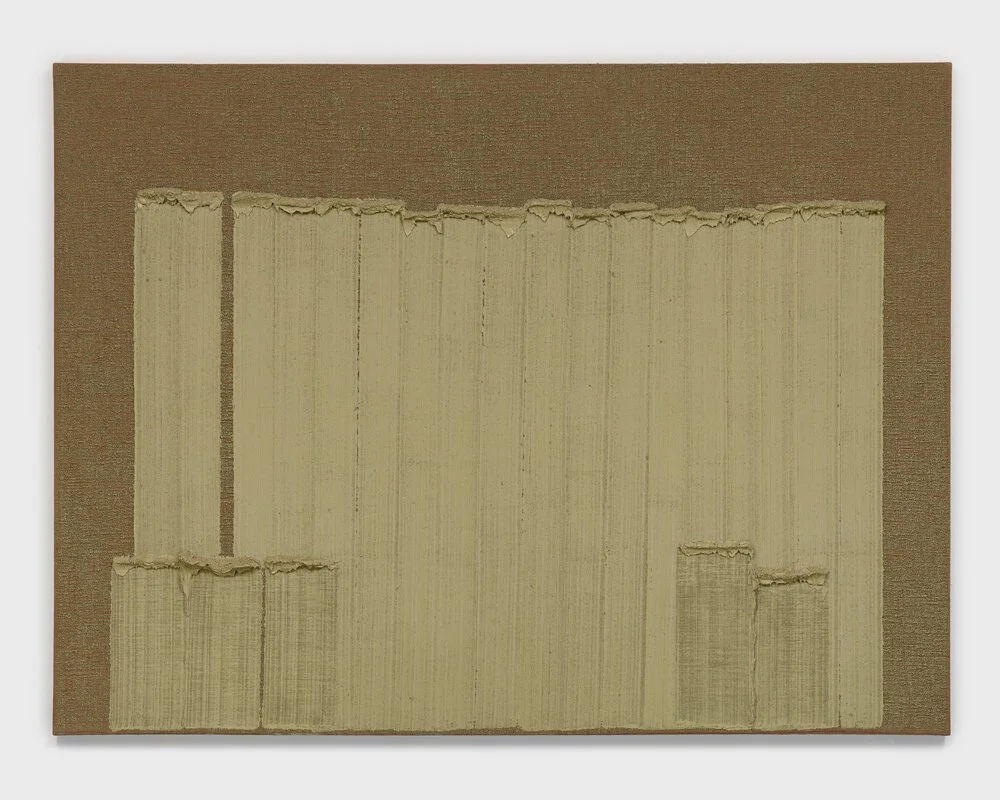
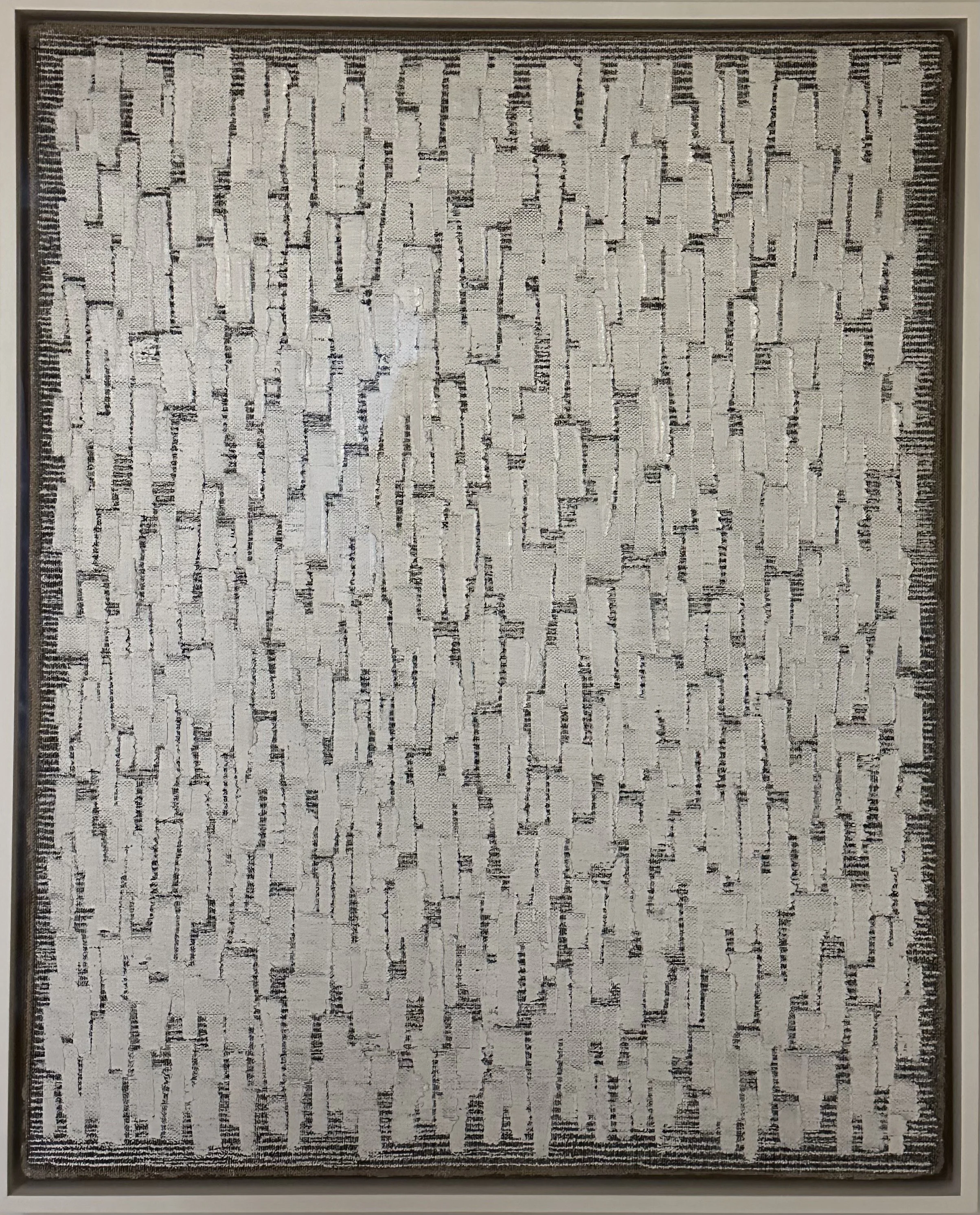
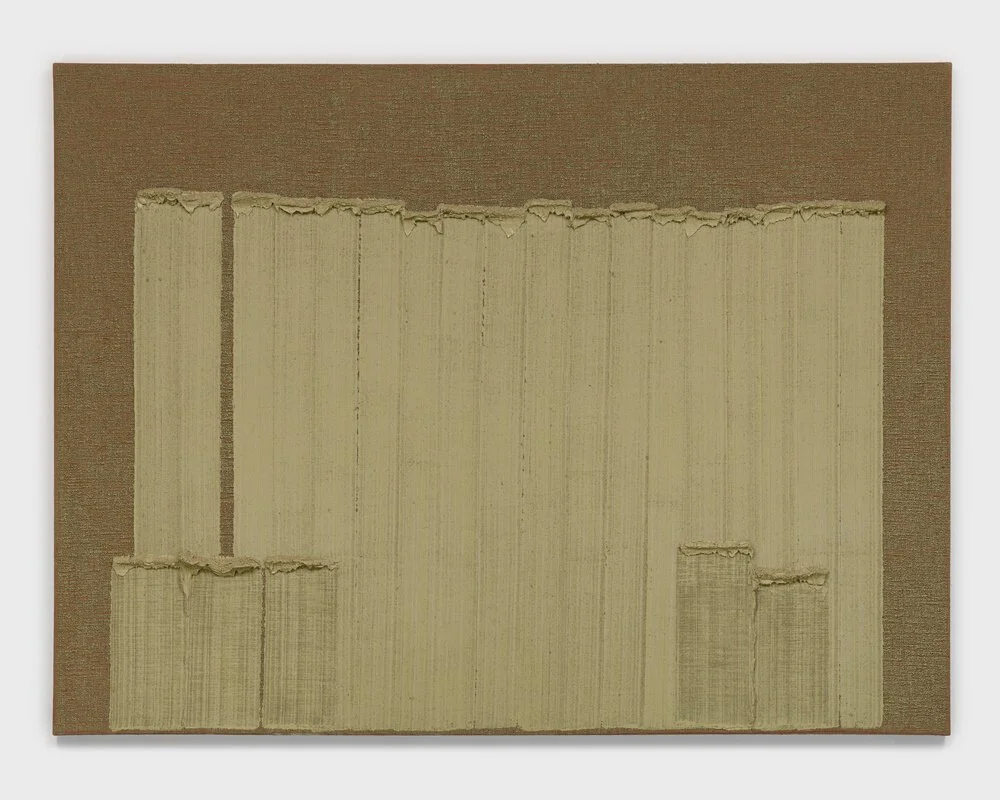
《접합》 연작은 거친 마대 캔버스의 뒷면에서 두꺼운 유화 물감을 밀어 올려 앞면으로 배어 나오게 하는 '배압법(背壓法)'을 중심으로 전개된다. 물감이 직물의 조직을 통과하는 과정에서 발생하는 압력과 저항, 물질의 밀도는 화면의 구조를 형성하는 주요한 조건으로 작용한다. 이후 표면을 긁거나 문지르고 밀어내는 행위가 더해지면서, 화면은 안료와 지지체, 신체적 행위가 상호작용하는 물질적 장으로 확장된다.
초기의 《접합》이 마대의 거친 조직과 흙빛 계열의 절제된 색채를 중심으로 형성되었다면, 이후 작업에서는 색채와 구성, 화면의 밀도에 대한 실험이 점차 확장된다. 재료의 저항과 반복적 행위를 기반으로 한 제작 방식은 유지되면서도, 표면의 구조와 색채의 관계는 시기별로 다양한 변화를 보여준다. 이러한 전개는 동일한 조형적 방법론 안에서 회화의 물리적 가능성을 지속적으로 확장해 온 과정으로 이해할 수 있다.
하종현의 작업은 한국 실험미술과 단색화의 역사적 전개를 관통하면서도, 단색이라는 형식적 범주만으로 환원되지 않는다. 물질의 구조와 신체적 행위, 제작 과정 자체를 회화의 중심에 놓아 온 그의 실천은 전후 한국 추상미술의 형성과 확장에 중요한 위치를 차지하며, 회화의 매체적 조건에 대한 지속적인 탐구로 이어지고 있다.
Ha Chonghyun is a central figure in the development of postwar Korean experimental art and Dansaekhwa, whose practice has consistently examined the material conditions of painting and the relationship between physical gesture and artistic process. Born in Sancheong, Korea, in 1935, he began his career within the context of Art Informel in the 1960s before becoming a leading member of the Korean Avant-Garde Association (AG). His work emerged in close dialogue with the material circumstances of postwar Korea, developing a distinct artistic language centered on the relationship between surface and support, action and material.
From the late 1960s, Ha incorporated unconventional materials such as barbed wire, newspapers, wood, and metal springs into his experimental works. The juxtaposition of disparate materials challenged the established boundaries of painting, extending his investigations into the relationship between material structure and spatial construction. These early experiments provided an important foundation for the development of his Conjunction series in the mid-1970s.
The Conjunction series is characterized by Ha's distinctive method of bae-ap-bub, or the reverse-pressure technique, in which thick oil paint is pushed from the back of a coarse burlap canvas through its woven structure to the front. The pressure, resistance, and density encountered as pigment passes through the fabric become integral to the formation of the pictorial surface. Subsequent gestures of scraping, rubbing, and spreading further articulate the interaction between pigment, support, and bodily action, establishing painting as a materially contingent process.
While the early Conjunction works were predominantly characterized by the rough texture of burlap and a restrained palette of earthy tones, his subsequent paintings expanded these investigations through variations in color, composition, and surface density. Maintaining the fundamental principles of material resistance and repetitive physical action, Ha continued to explore the structural and chromatic possibilities of the pictorial field. These developments reflect a sustained inquiry into the physical conditions of painting within a consistent methodological framework.
Although Ha's practice occupies a central position in the historical development of Korean experimental art and Dansaekhwa, it extends beyond the formal designation of monochrome painting. By placing material structure, bodily gesture, and the process of making at the center of his work, Ha has established a distinctive approach to abstraction that continues to inform broader discussions of the medium and its possibilities within contemporary art.
Selected works