Kim Kwanghan
b.1974
김광한은 자연의 풍경과 일상의 사물을 바탕으로 빛과 색채, 회화적 공간의 관계를 탐구해 온 한국 현대미술 작가이다. 모과와 대추, 석류 등 과실을 주요한 모티프로 삼아 온 그의 작업은 구상회화의 재현적 전통을 기반으로 하면서도, 대상과 배경 사이의 긴장과 색채의 조형적 가능성에 지속적인 관심을 기울여 왔다.
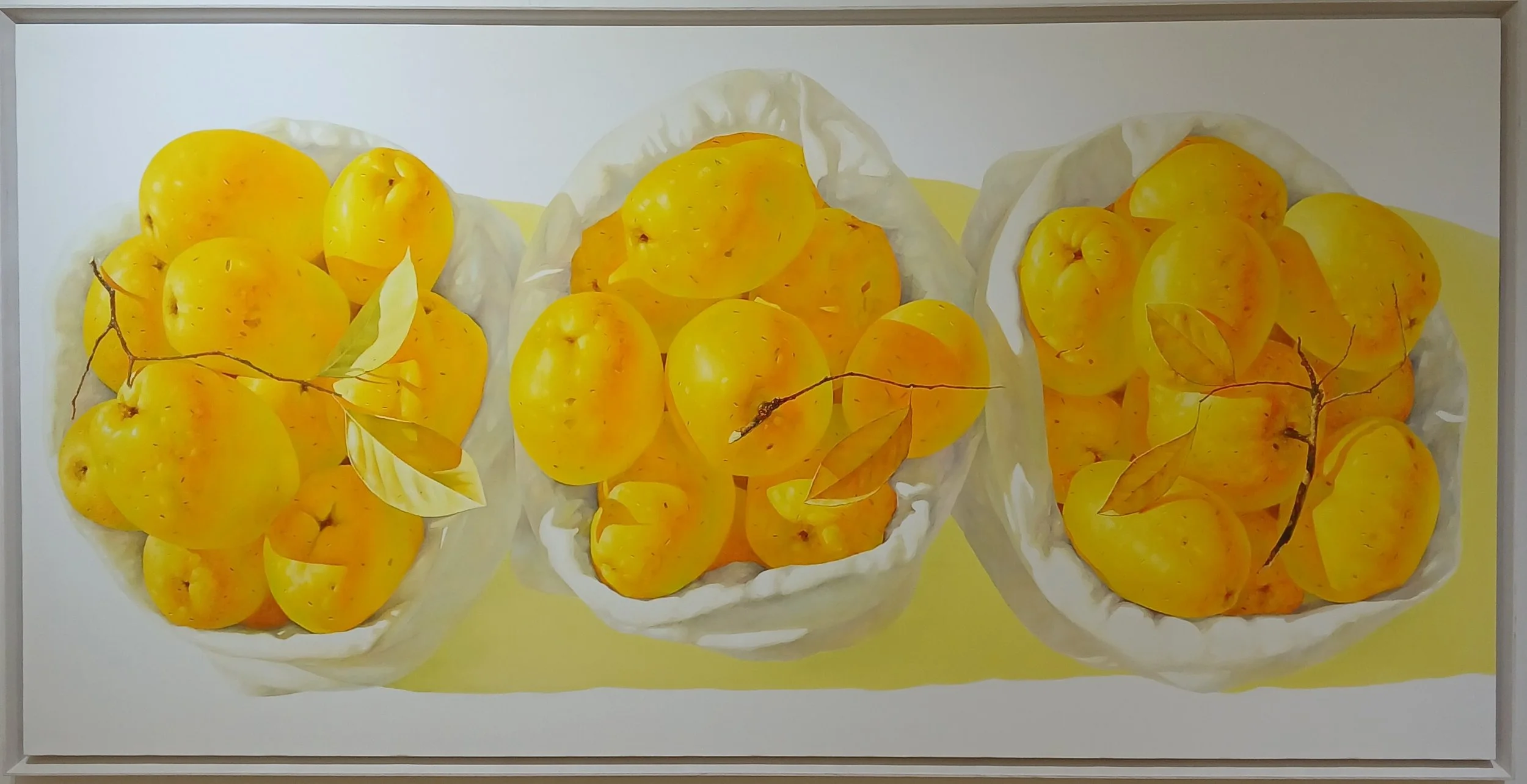
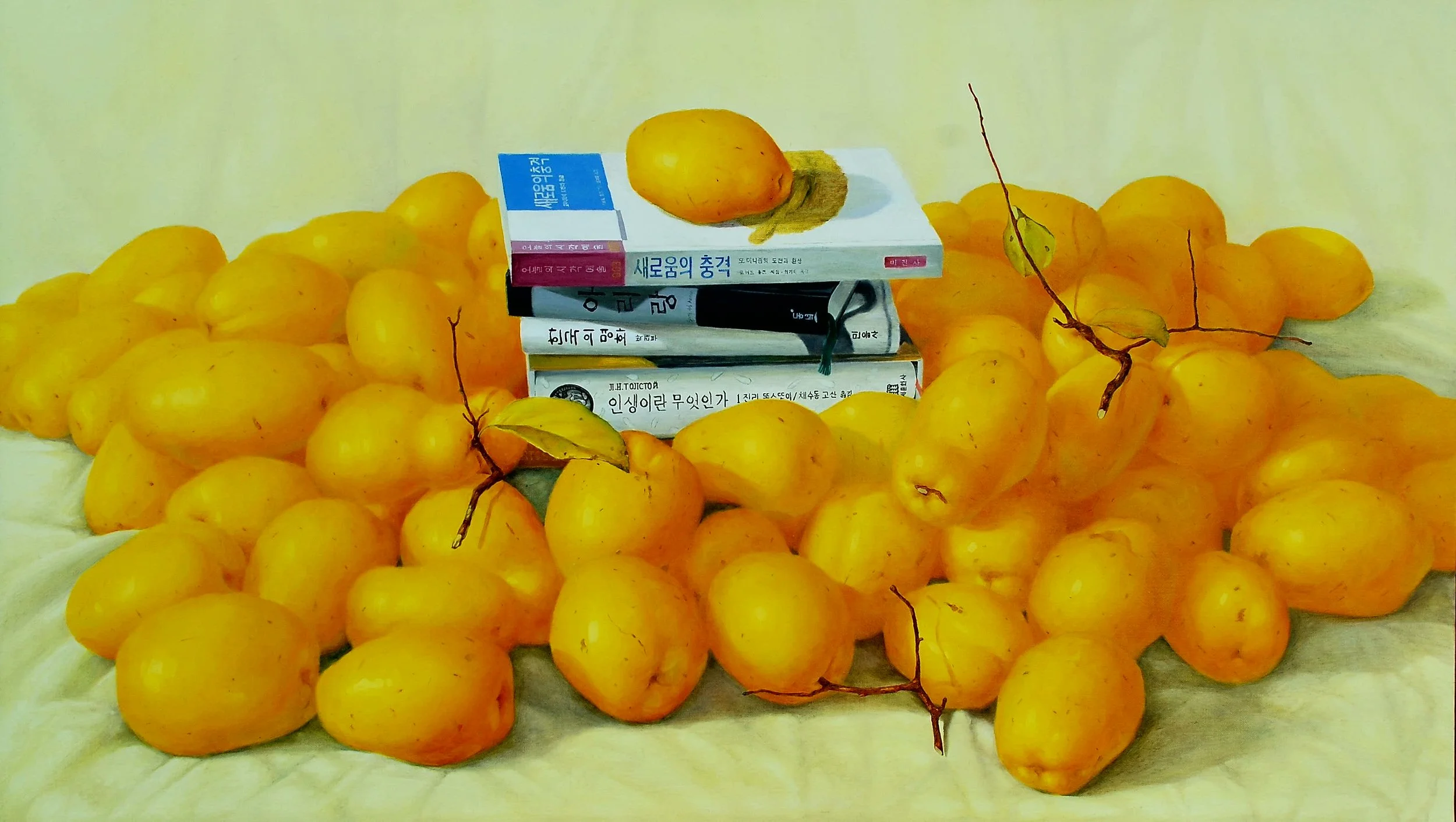
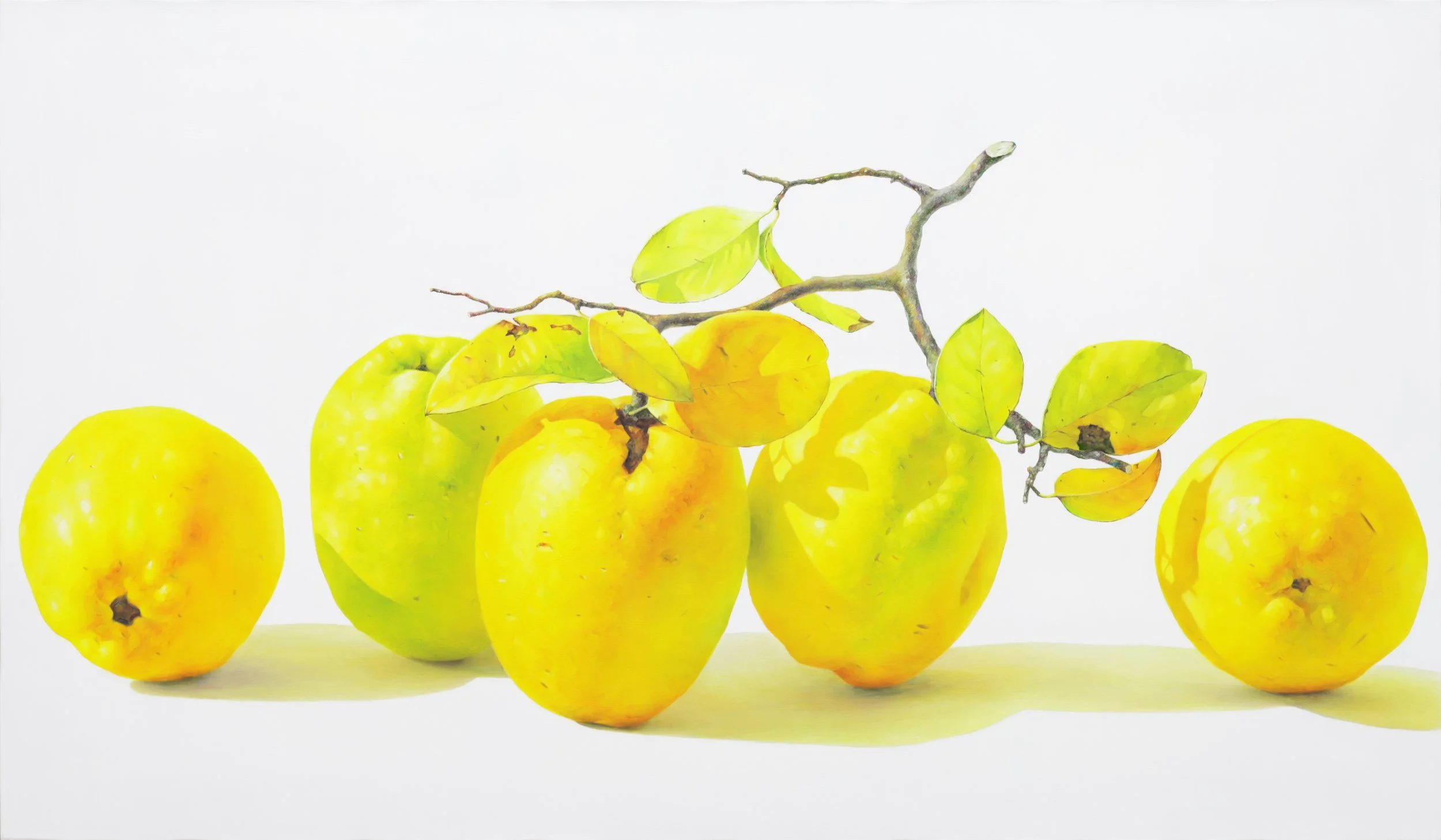
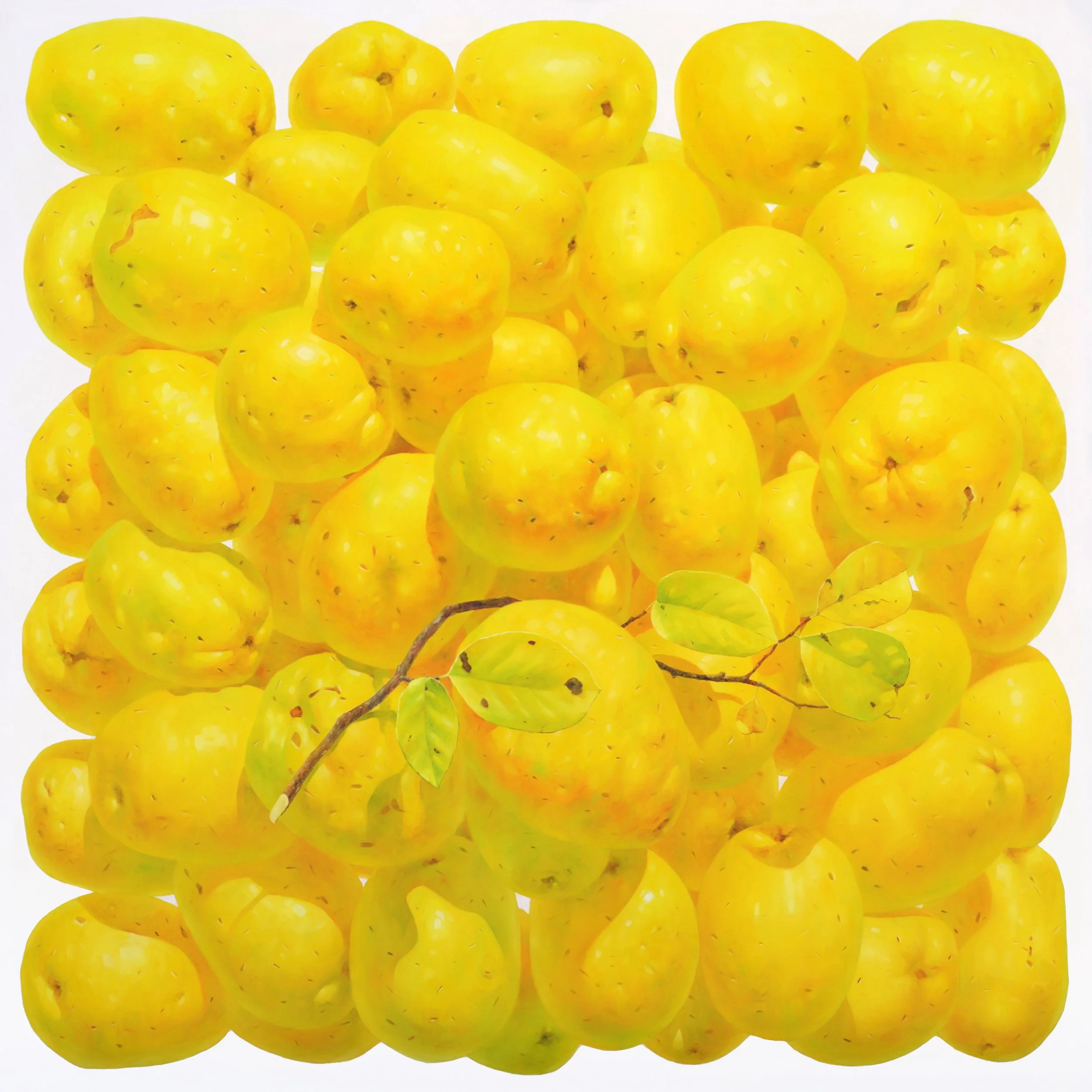
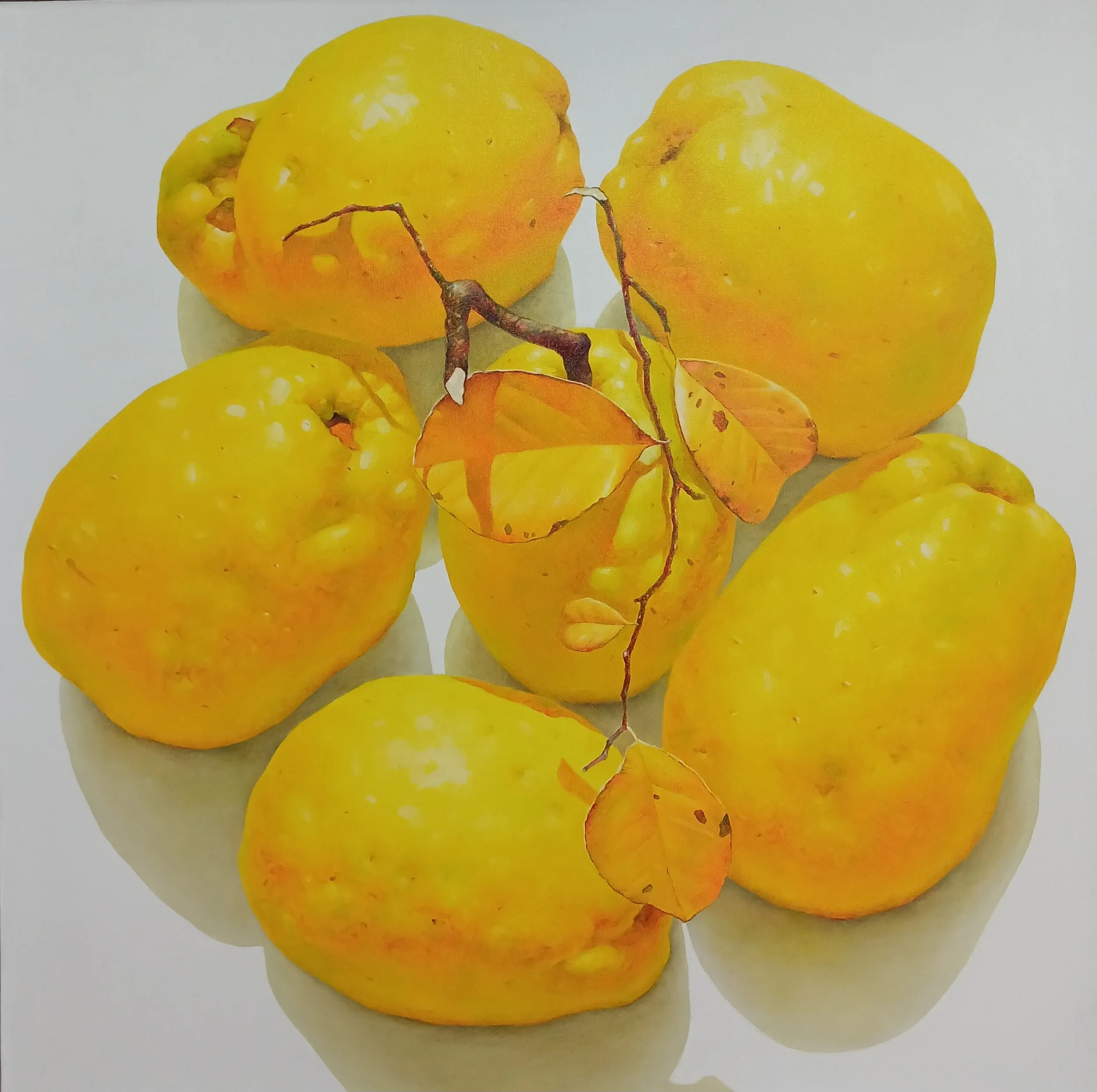
그의 회화에서 과실은 치밀한 관찰과 묘사를 통해 구체적인 형태를 유지하는 한편, 이를 둘러싼 공간은 보다 자유로운 색채와 물질적 흔적으로 구성된다. 대상의 선명한 윤곽과 비정형적인 배경의 병치는 화면 내부에 서로 다른 시각적 층위를 형성하며, 빛의 방향과 색채의 농도, 표면의 질감은 이러한 공간적 관계를 조직하는 주요한 요소로 작용한다.
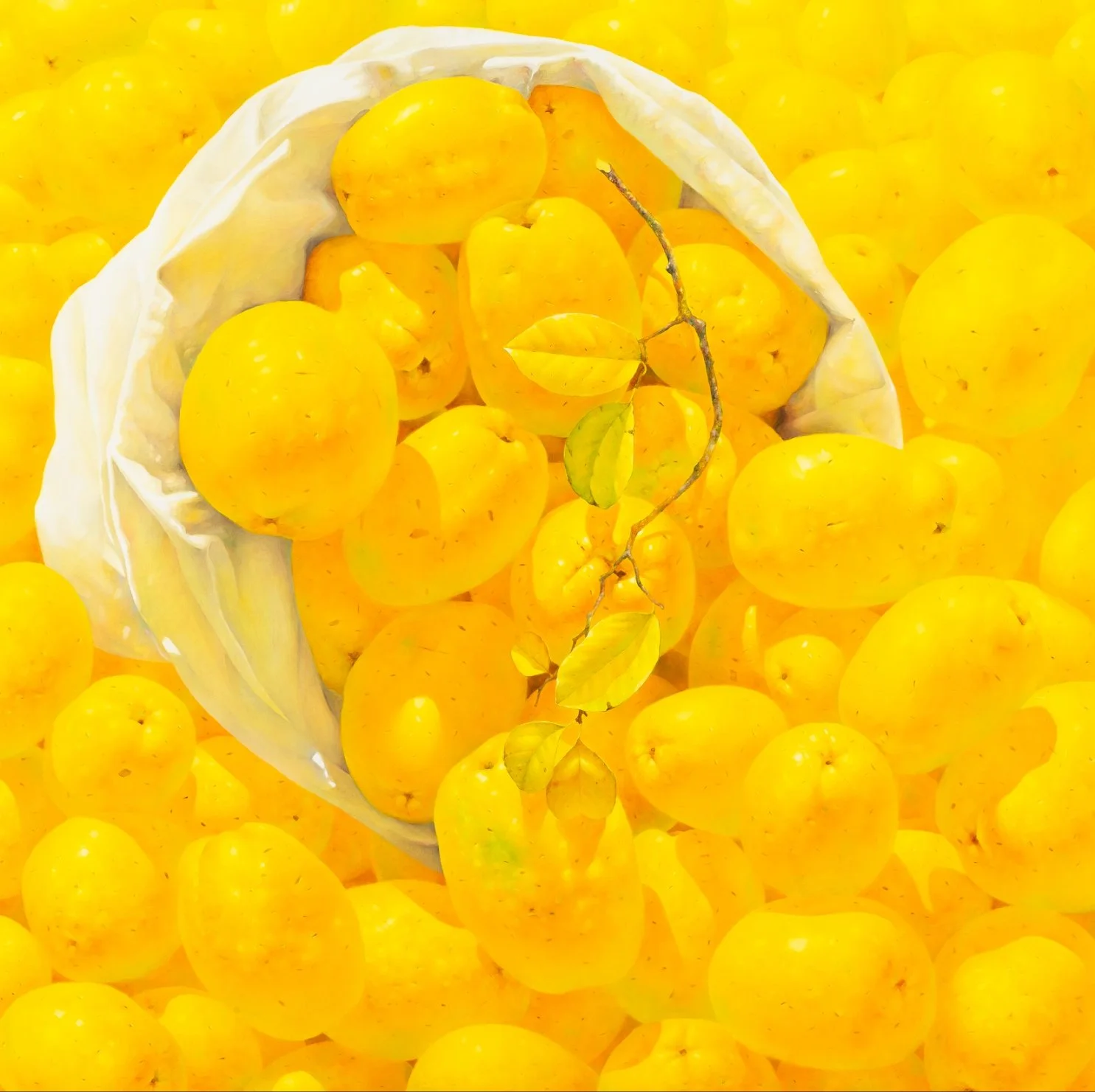
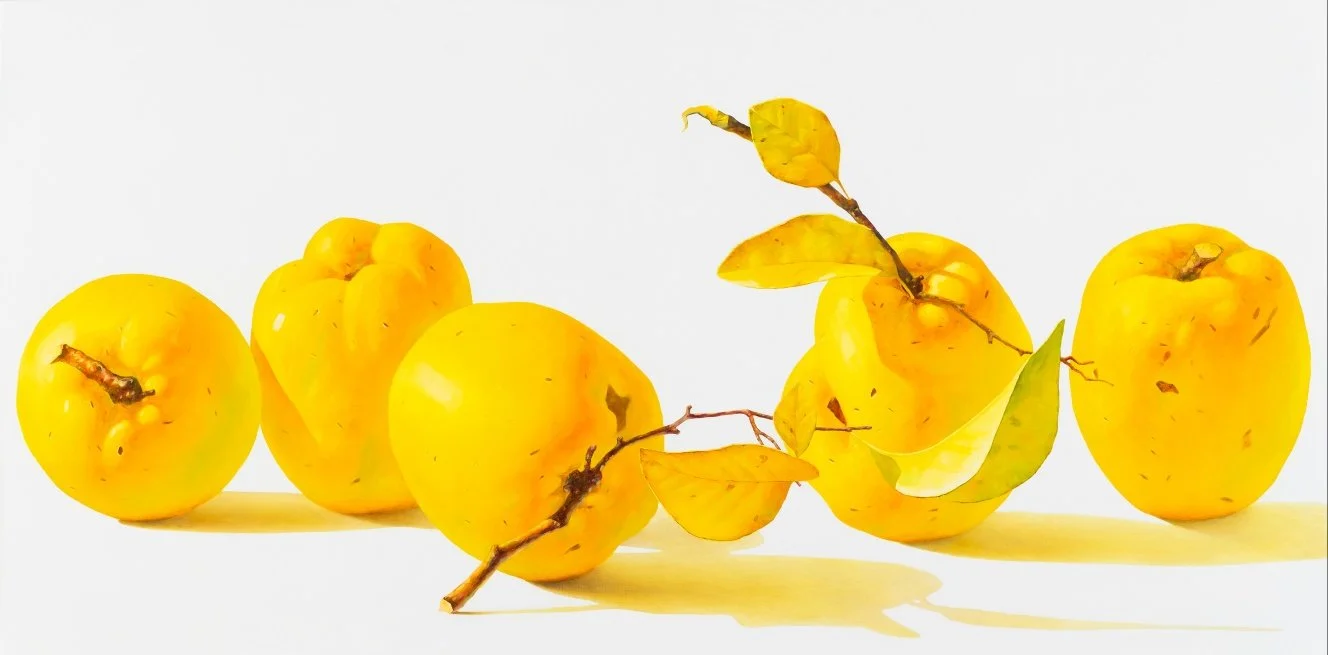
대표 연작 《향기 가득》은 모과 특유의 형태와 노란색을 중심으로 전개되어 왔다. 반복적으로 등장하는 과실의 형상은 작품에 따라 크기와 배치, 색채의 밀도를 달리하며 변주된다. 정물의 구체적인 재현과 배경의 추상적 구성은 하나의 화면 안에서 교차하고, 대상의 물질적 존재감과 회화적 공간 사이의 관계를 확장한다.
김광한의 작업은 한국 구상회화의 전통 안에서 정물이라는 익숙한 형식을 지속적으로 재검토해 온 실천으로 이해할 수 있다. 자연에 대한 오랜 관찰과 반복적인 제작 과정은 그의 회화에 일관된 조형적 질서를 형성하며, 빛과 색채, 재현과 추상 사이의 관계는 작품 전반을 관통하는 주요한 관심으로 자리하고 있다.
Kim Kwanghan is a Korean contemporary artist whose painting practice explores the relationship between light, color, and pictorial space through representations of nature and everyday objects. Working primarily with motifs of fruit, including quinces, jujubes, and pomegranates, he draws upon the representational traditions of figurative painting while maintaining a sustained interest in the tension between subject and background and the formal possibilities of color.
In Kim's paintings, fruit retains its recognizable form through meticulous observation and rendering, while the surrounding space is articulated through freer applications of color and painterly material. The juxtaposition of precisely defined objects and less structured backgrounds establishes distinct visual registers within the composition. Variations in light, chromatic intensity, and surface texture become integral to the organization of pictorial space.
His principal series, Fragrance-Filled, has developed around the distinctive form and yellow coloration of the quince. Through variations in scale, placement, and chromatic density, the recurring motif undergoes continuous formal transformation. The detailed representation of still-life subjects intersects with the abstract treatment of their surroundings, extending the relationship between the physical presence of the object and the constructed space of painting.
Kim's practice may be situated within the traditions of Korean figurative painting, in which he continues to reconsider the familiar conventions of still life. His sustained observation of nature and repetitive processes of painting have established a consistent formal language, while the relationships between light and color, representation and abstraction remain central to his work.
Selected works