
Kim Myoungsook
b.1955
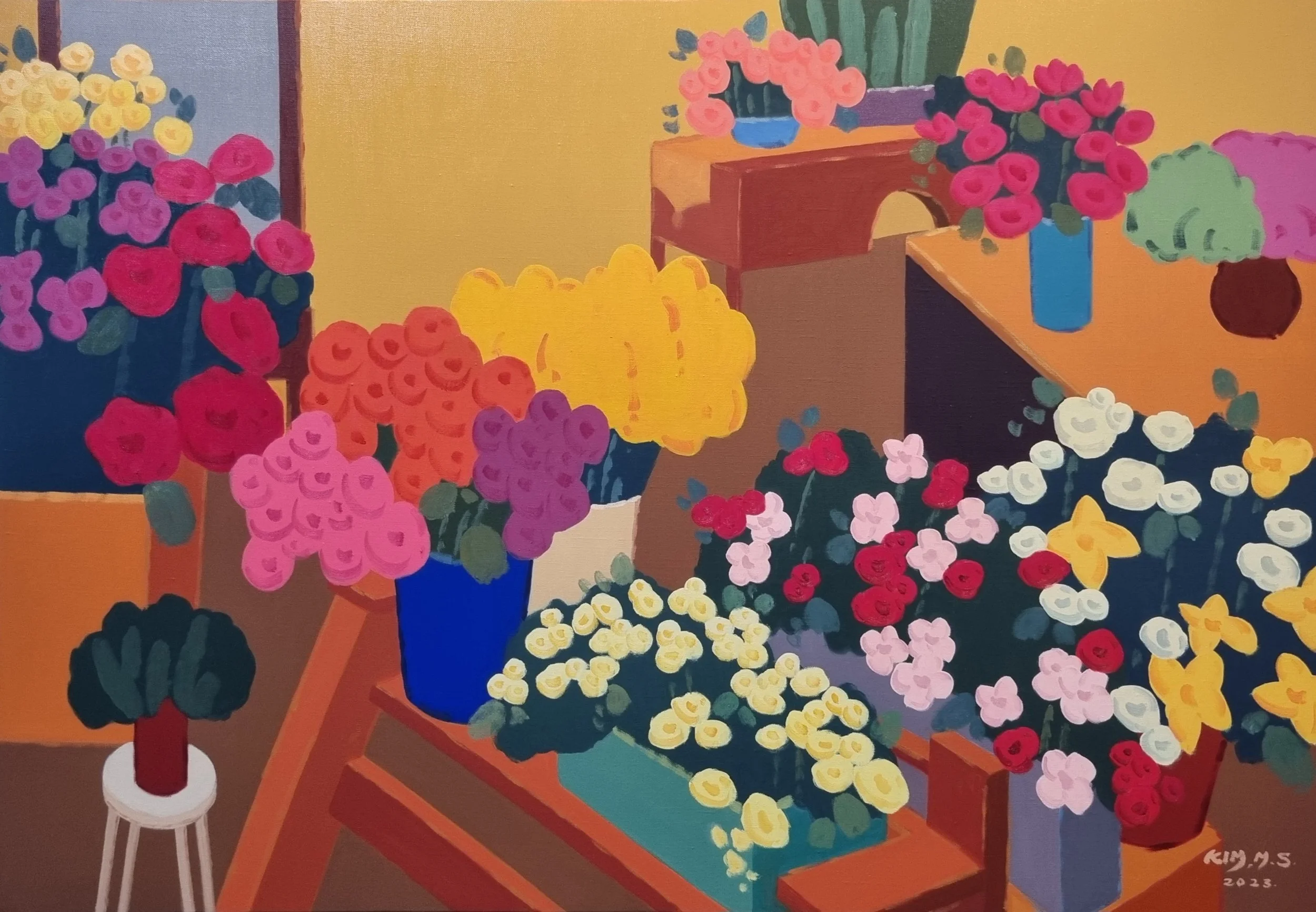
김명숙은 꽃이라는 일상적 소재를 통해 색채와 형태의 조화, 시각적 인상과 회화적 단순성의 가능성을 탐구해 온 한국의 서양화가이다. 계명대학교 예술대학원에서 수학한 그는 다수의 개인전과 단체전을 통해 독자적인 회화세계를 구축해 왔다. 그의 작업은 주변에서 쉽게 마주할 수 있는 꽃과 화병, 꽃집의 실내 풍경 등을 주요 소재로 삼으면서도 대상의 사실적인 재현보다는 색채가 전달하는 감각과 화면 전체의 조형적 균형에 주목한다. 일상적인 대상에서 발견한 아름다움을 절제된 형태와 색채로 재구성함으로써 회화의 본질적인 조형 요소를 탐색하고 있다.
김명숙의 대표적인 《인상(Impression)》 연작은 꽃과 꽃이 놓인 공간에 대한 시각적 경험에서 출발한다. 꽃집에서 마주한 다양한 형태의 꽃다발과 화분, 꽃병, 그리고 실내에 배치된 사물들은 작가의 시선을 통해 새로운 회화적 대상으로 전환된다. 작품 속 꽃들은 개별적인 식물의 형태와 세부적인 특징을 구체적으로 묘사하기보다 과감하게 단순화되고, 때로는 화면의 일부를 확대하거나 잘라내는 방식으로 표현된다. 이러한 구성은 대상의 구체적인 외형을 넘어 색채와 형태 자체가 지닌 조형적 가능성을 부각하며, 일상의 풍경을 하나의 독립적인 시각적 구조로 재편한다.
그의 회화에서 색채는 대상의 형태를 설명하는 보조적인 요소가 아니라 화면의 인상과 정서를 형성하는 핵심적인 조형 언어로 작용한다. 빨강, 노랑, 초록, 파랑 등 다양한 색채를 바탕으로 하면서도 채도와 명도를 조절한 중간색조를 적극적으로 활용하여 시각적 자극을 절제한다. 서로 다른 색채는 강한 대비나 극적인 명암을 통해 구분되기보다 유사한 색조 안에서 부드럽게 어우러지며, 화면 전체에 안정적이고 온화한 분위기를 형성한다. 특히 꽃의 색채와 배경, 가구와 실내의 사물들이 하나의 조화로운 색채 구조 안에서 연결되면서 대상과 공간 사이의 위계가 완화되고 평면적인 화면 구성의 특징이 강화된다.
《인상》 연작은 동일한 소재와 주제를 공유하면서도 화면의 크기와 구성, 색채의 조합에 따라 다양한 변주를 보여준다. 꽃이 놓인 실내 공간을 전체적으로 조망하는 구성에서부터 꽃의 일부를 과감하게 확대하여 색채와 형태의 관계를 강조하는 방식까지, 작가는 다양한 시각적 접근을 통해 회화의 조형적 가능성을 확장한다. 특히 배경을 단순화하고 원근과 공간의 관계를 재구성하는 방식은 전통적인 사실주의적 공간 표현에서 벗어나 화면을 독립적인 색면과 형태의 관계로 이해하게 한다. 이러한 구성은 전통 회화에서 발견되는 평면성과 친근한 공간감, 현대 미니멀리즘의 간결한 조형 원리와도 연결되는 특징을 보여준다.
김명숙의 작업은 꽃이라는 친숙한 대상을 통해 일상의 아름다움과 시각적 조화의 가치를 재발견하는 회화적 실천으로 이해할 수 있다. 그의 화면에서 꽃은 단순히 아름다움을 재현하기 위한 대상에 머무르지 않고, 서로 다른 형태와 색채가 하나의 조화로운 관계를 형성하는 존재로 나타난다. 특정한 꽃의 이름이나 구체적인 의미를 강조하기보다 감상자가 각자의 경험과 감각에 따라 이미지를 받아들일 수 있도록 여백을 남긴다. 이러한 태도는 작품의 제목을 일관되게 《인상》으로 설정하는 방식에서도 드러난다. 결국 김명숙의 회화는 대상의 외형을 재현하는 데서 나아가 색채와 형태가 만들어내는 감각적 경험을 통해 일상의 풍경을 새로운 미적 질서로 전환하며, 절제와 조화에 기반한 자신만의 회화적 언어를 지속적으로 발전시켜 나가고 있다.
Kim Myungsook is a Korean painter whose practice explores the harmony of color and form, visual impressions, and the possibilities of pictorial simplicity through the familiar subject of flowers. Having pursued graduate studies at Keimyung University, she has developed a distinctive artistic language through numerous solo and group exhibitions. Her work draws primarily on everyday subjects such as flowers, vases, and interior scenes of flower shops. Rather than pursuing a faithful representation of these objects, however, she focuses on the sensory qualities of color and the formal balance of the pictorial surface. By transforming the beauty found in ordinary surroundings into simplified forms and restrained chromatic compositions, Kim investigates the fundamental elements of painting.
Her ongoing Impression series originates from visual encounters with flowers and the spaces in which they are arranged. Bouquets, potted plants, vases, and various objects found within flower shops become subjects for reinterpretation through the artist's distinctive perspective. Rather than depicting the individual characteristics and botanical details of each flower, Kim simplifies their forms, at times enlarging or cropping portions of the composition. This approach moves beyond the literal appearance of the subject, emphasizing the formal possibilities inherent in color and shape. Everyday scenes are thus reorganized into autonomous visual structures.
In Kim's paintings, color functions not as a supplementary element that describes form, but as a central visual language that determines the overall impression and emotional atmosphere of the work. She employs a diverse range of colors, including red, yellow, green, and blue, while carefully modulating their saturation and tonal values to create a restrained visual intensity. Rather than relying on dramatic contrasts or pronounced chiaroscuro, different colors are brought into subtle harmony through nuanced tonal relationships. The colors of flowers, backgrounds, furniture, and interior objects become interconnected within a unified chromatic structure, softening the hierarchy between subject and space while reinforcing the planar quality of the composition.
Although the Impression series maintains a consistent subject and conceptual framework, individual works reveal variations in scale, composition, and chromatic arrangement. From compositions that present an overall view of floral arrangements within interior spaces to close-up depictions that emphasize the relationship between color and form, Kim explores diverse approaches to expanding the possibilities of painting. Her simplification of backgrounds and reconfiguration of spatial relationships move away from conventional modes of realistic representation, encouraging the viewer to perceive the pictorial surface as an independent arrangement of colors and forms. These compositional strategies evoke both the flatness and familiar spatial sensibility found in traditional painting and the formal economy associated with modern minimalism.
Kim Myungsook's practice can be understood as a sustained exploration of the aesthetic potential of everyday life through the familiar subject of flowers. In her paintings, flowers are not merely objects of visual beauty but elements that establish harmonious relationships through the interplay of distinct forms and colors. Rather than emphasizing the specific identity or symbolic meaning of individual flowers, she leaves interpretive space for viewers to engage with the images through their own experiences and sensibilities. This approach is also reflected in her consistent use of the title Impression for the series. Ultimately, Kim transforms familiar scenes into new aesthetic orders through the sensory experience generated by color and form. Grounded in restraint, balance, and chromatic harmony, her paintings continue to develop a distinctive visual language that reconsiders the relationship between everyday experience and the essential qualities of painting.
Selected works
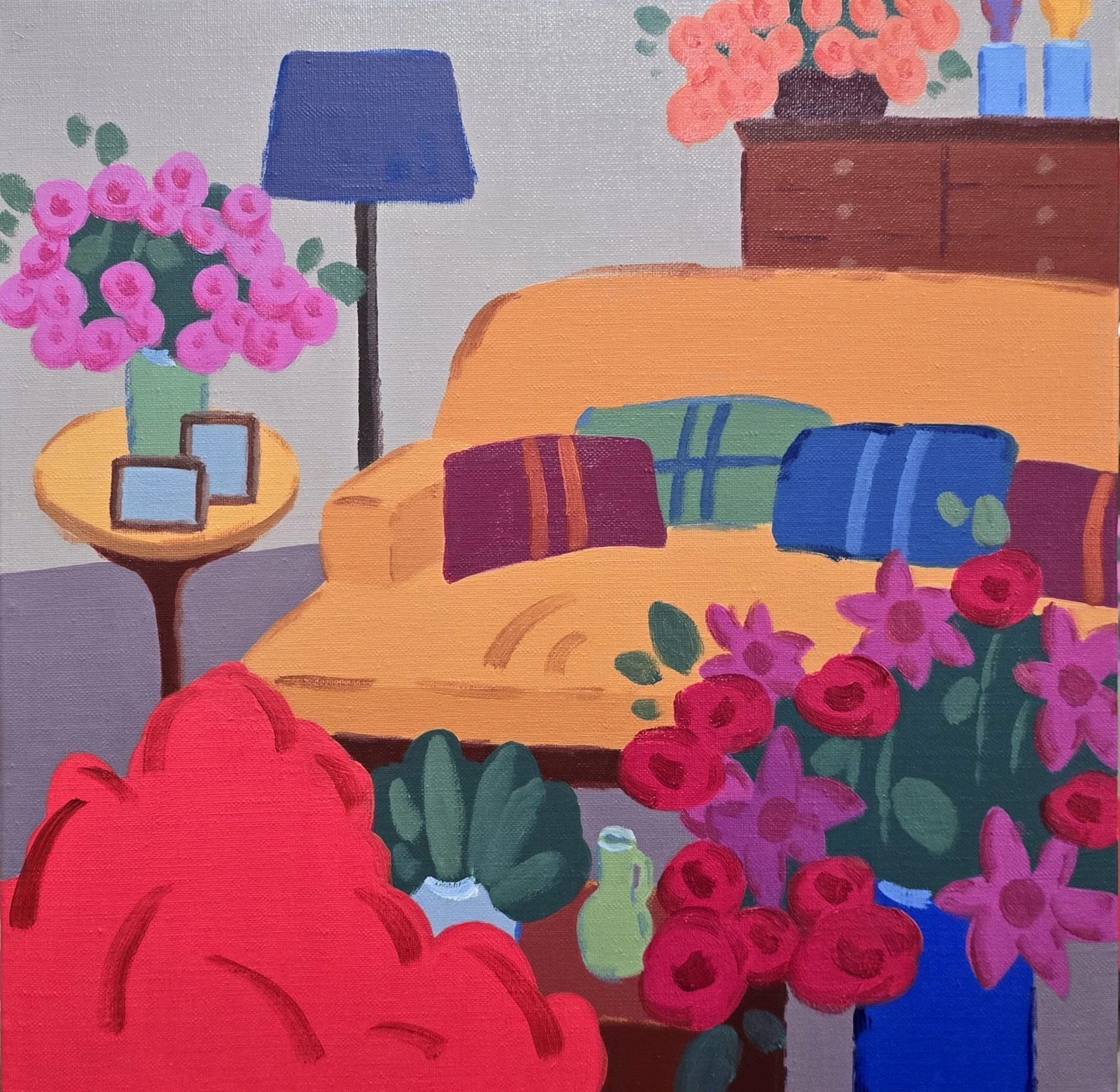
Impression, oil on canvas, 45x45cm, 2024
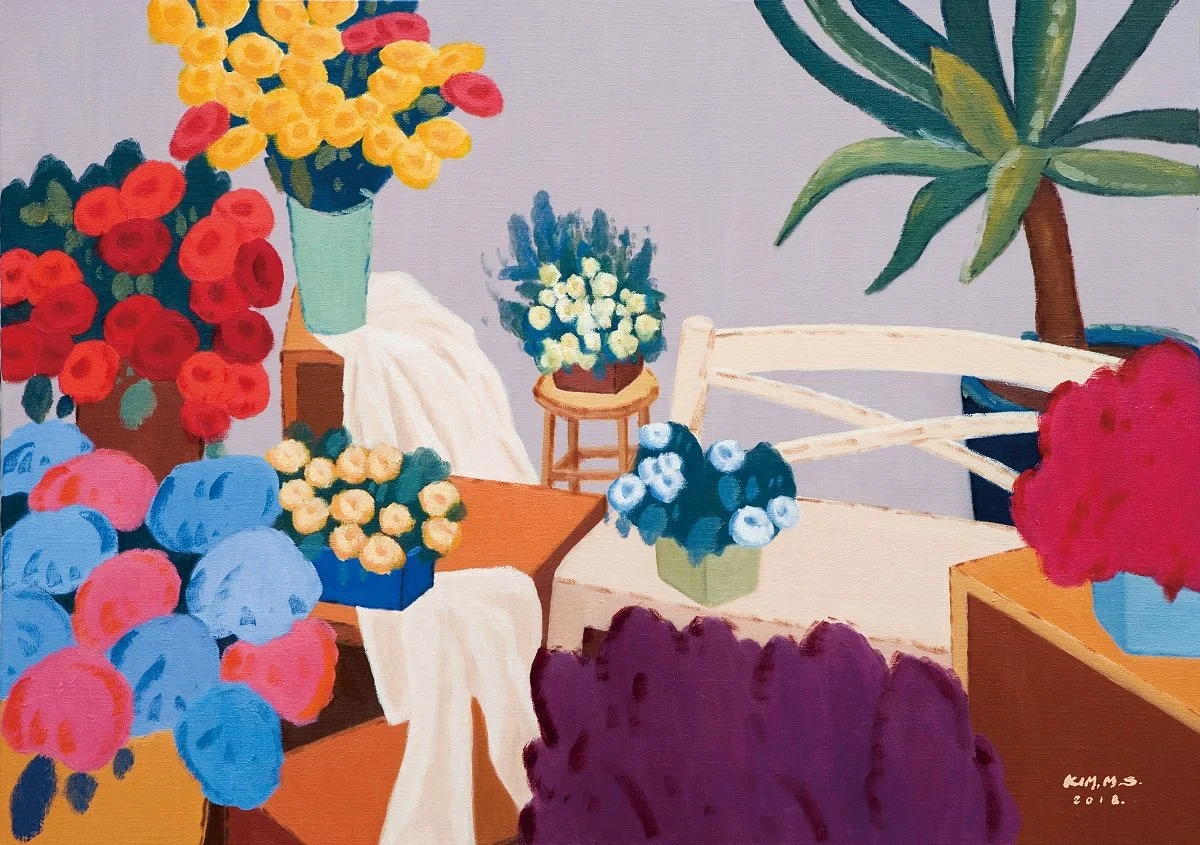
Impression, oil on canvas, 46x33cm, 2018
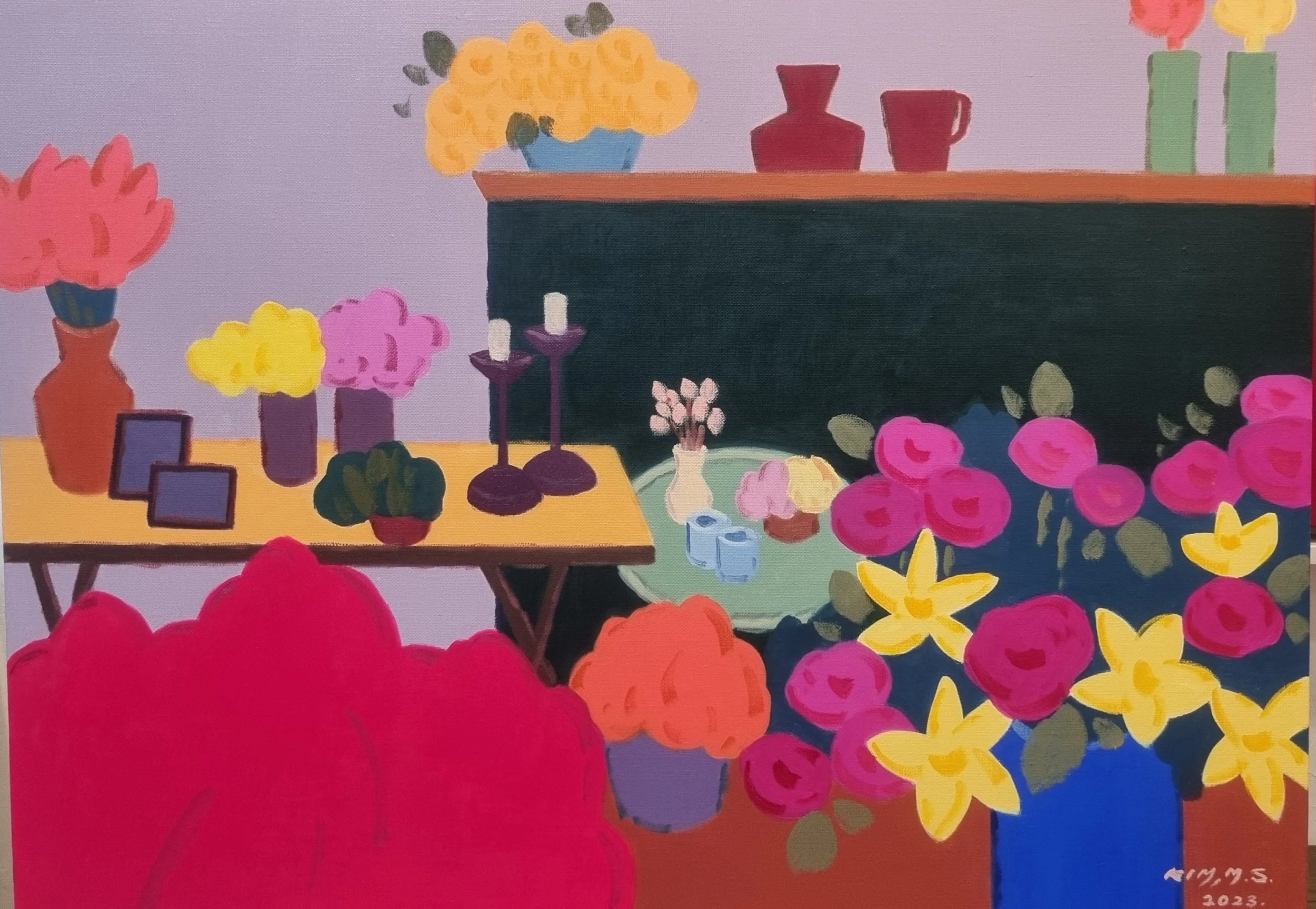
Impression, oil on canvas, 53x72.7cm, 2023.
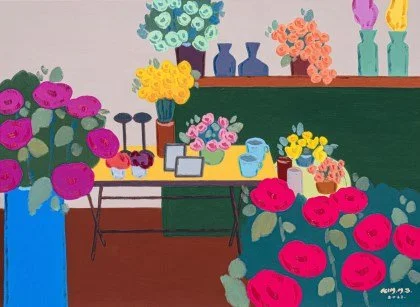
Impression, oil on canvas, 53x72cm, 2022
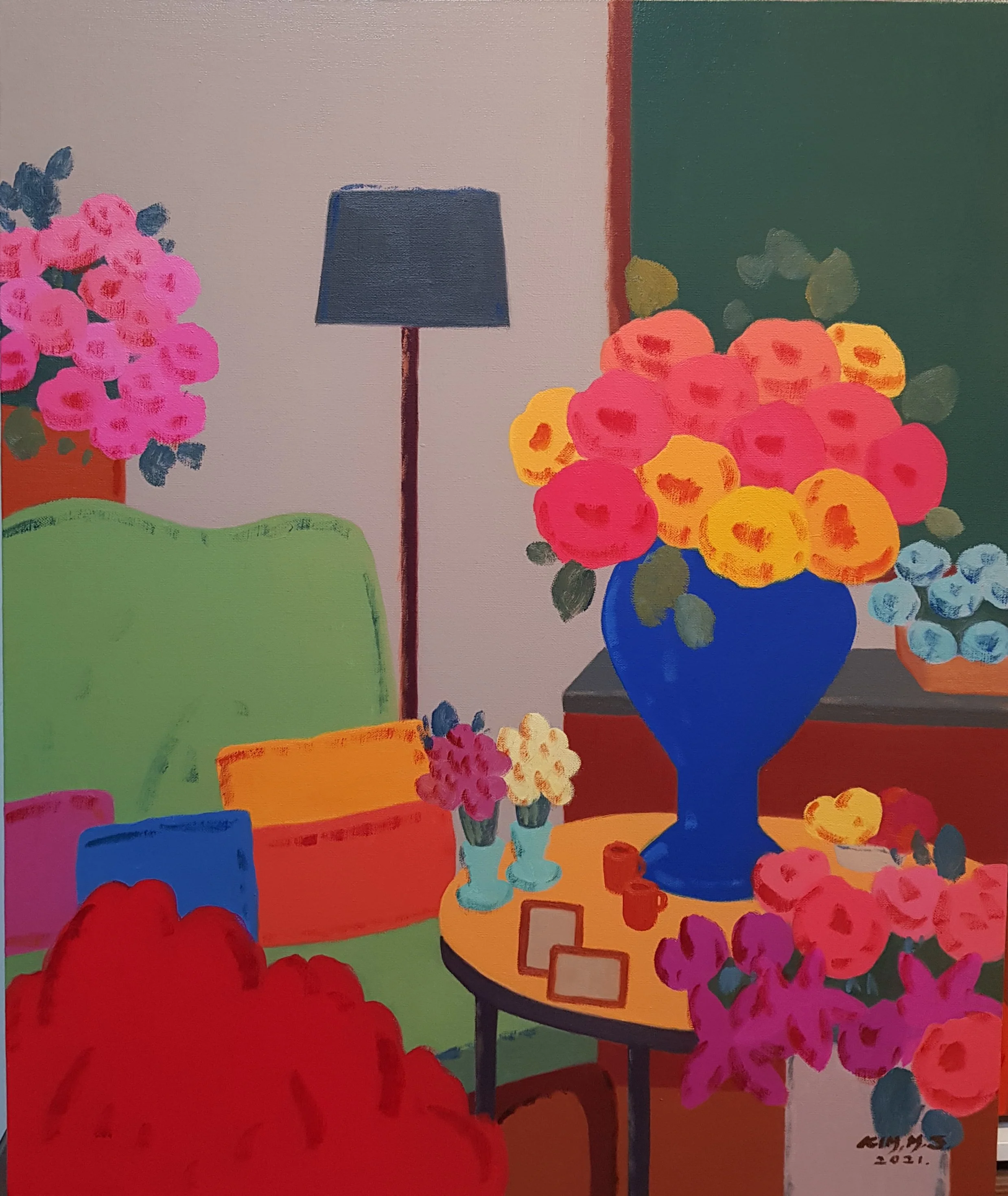
Impression, oil on canvas, 72.7x60.6cm, 2021
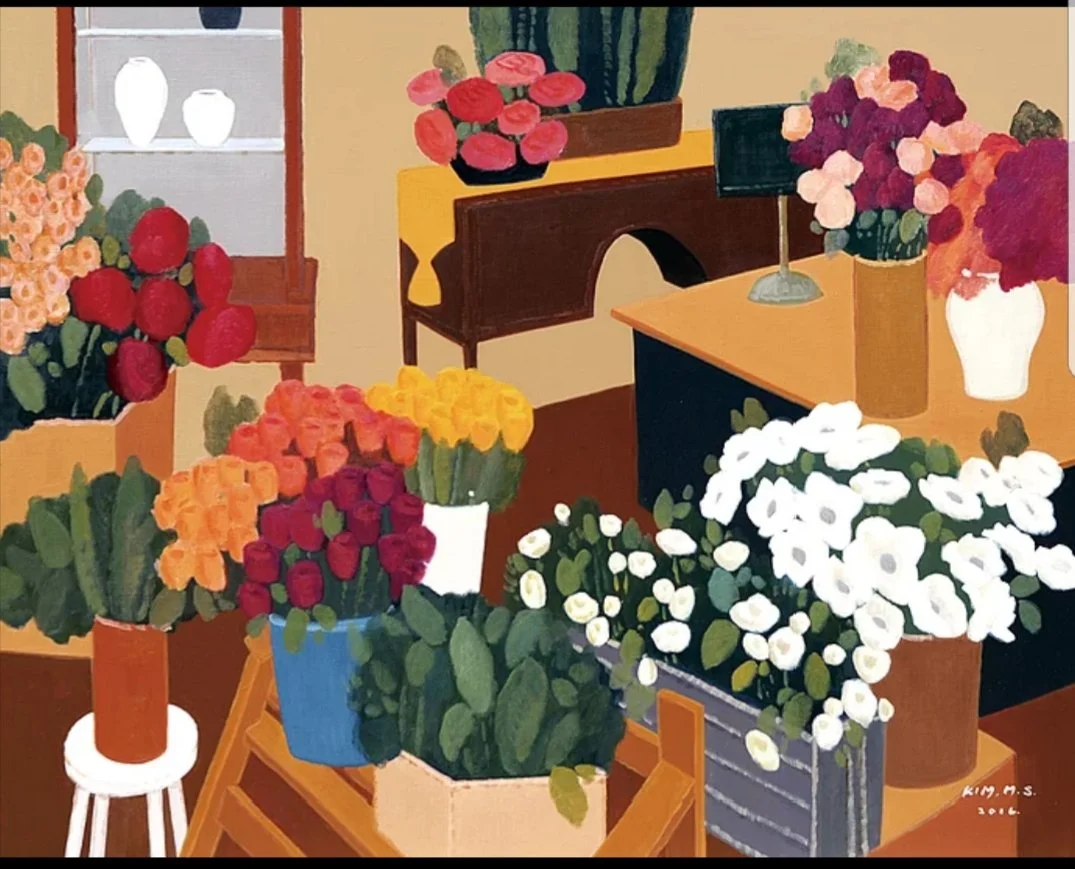
Impression, oil on canvas, 130x162cm, 2016