Park Seobo
b.1931 ~ 2023
박서보는 한국 전후 추상미술의 형성과 단색화의 전개에 핵심적인 역할을 한 작가이다. 1931년 경상북도 예천에서 태어나 홍익대학교에서 회화를 공부했으며, 1950년대 후반 한국 앵포르멜 운동에 참여하며 본격적인 작품 활동을 시작했다. 이후 회화의 표현적 성격과 제작 행위에 대한 지속적인 성찰을 바탕으로 독자적인 조형 언어를 구축했으며, 한국 현대미술의 제도적·담론적 형성에도 중요한 영향을 미쳤다.
초기 《원형질(Primordialis)》 연작에서 드러나는 격렬한 물질성과 비정형적 화면은 1960년대 후반 《묘법(Écriture)》 연작으로 이어지며 근본적인 전환을 맞는다. 1967년부터 전개된 《묘법》은 반복적인 선의 긋기와 지우기, 화면에 가해지는 지속적인 행위를 중심으로 형성된다. 작가의 주관적 표현을 절제하고 행위의 반복과 수행적 과정에 집중하는 이러한 접근은 이후 그의 작업 전반을 관통하는 핵심적인 조형 원리로 자리한다.
1980년대 이후 한지를 적극적으로 도입하면서 《묘법》은 재료와 표면의 관계를 중심으로 새로운 국면에 접어든다. 물에 적신 한지를 화면에 부착하고 밀어내거나 긁어내는 과정에서 형성되는 선과 요철은 회화의 평면적 구조에 물리적 깊이를 부여한다. 이러한 변화는 반복적 행위의 지속이라는 초기의 문제의식을 유지하면서도, 물질의 저항과 축적, 표면의 구조에 대한 탐구를 더욱 심화시킨다.
후기 작업에서는 자연에서 비롯된 색채가 적극적으로 도입되며 《묘법》의 조형적 범위가 확장된다. 초기의 무채색과 절제된 구성에서 출발한 그의 회화는 색채와 물질, 반복되는 행위 사이의 관계를 지속적으로 변주하면서도 일관된 작업의 태도를 유지한다.
박서보의 예술은 전후 한국 추상미술에서 단색화에 이르는 역사적 전환을 관통하며, 동아시아 현대미술의 독자적인 미학적 담론을 형성하는 데 중요한 위치를 차지한다. 반세기 이상 이어진 《묘법》 연작은 회화의 물질적 조건과 제작 행위에 대한 지속적인 탐구이자, 한국 현대미술의 국제적 위상을 형성한 주요한 실천으로 평가된다.
Park Seo-Bo was a pivotal figure in the development of postwar Korean abstract art and a leading practitioner of Dansaekhwa. Born in Yecheon, Korea, in 1931, he studied painting at Hongik University and began his artistic career in the late 1950s as a participant in the Korean Art Informel movement. Through a sustained examination of painterly expression and the act of making, Park developed a distinct artistic language while playing an influential role in shaping the institutional and intellectual foundations of Korean contemporary art.
The gestural intensity and expressive materiality of his early Primordialis series underwent a fundamental transformation with the emergence of Écriture in the late 1960s. Initiated in 1967, the series centered on repetitive gestures of marking and erasure, emphasizing the continuity of physical action over individual expression. This shift toward repetition, restraint, and process established the underlying principles that would inform his practice for the following decades.
From the 1980s onward, Park's increasing engagement with hanji (traditional Korean paper) marked a significant development in Écriture. By applying layers of water-soaked paper to the surface and manipulating them through repeated gestures of pushing, scraping, and pressing, he introduced a pronounced physical dimension to the pictorial field. While maintaining the repetitive processes characteristic of his earlier works, these paintings extended his investigation into material resistance, accumulation, and the structural possibilities of the surface.
In his later works, Park introduced an increasingly expansive palette inspired by colors observed in nature. Moving beyond the restrained monochromatic compositions of his earlier practice, these paintings explored variations in color, material, and rhythmic structure while retaining the procedural consistency that defined Écriture.
Spanning more than five decades, Park's Écriture series traces a sustained inquiry into the material conditions of painting and the relationship between gesture, repetition, and time. His practice occupies a central position in the historical trajectory of Korean abstraction, from the postwar avant-garde to Dansaekhwa, and remains a significant contribution to the broader discourse of contemporary art.
Selected works

Ecriture, mixed media with Korean hanji paper on canvas, 195x130cm, 2008
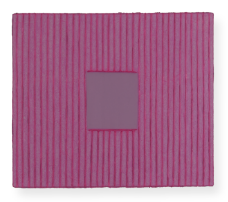
Ecriture No.030306, mixed media with Korean paper, 45.7x53.2cm, 2003

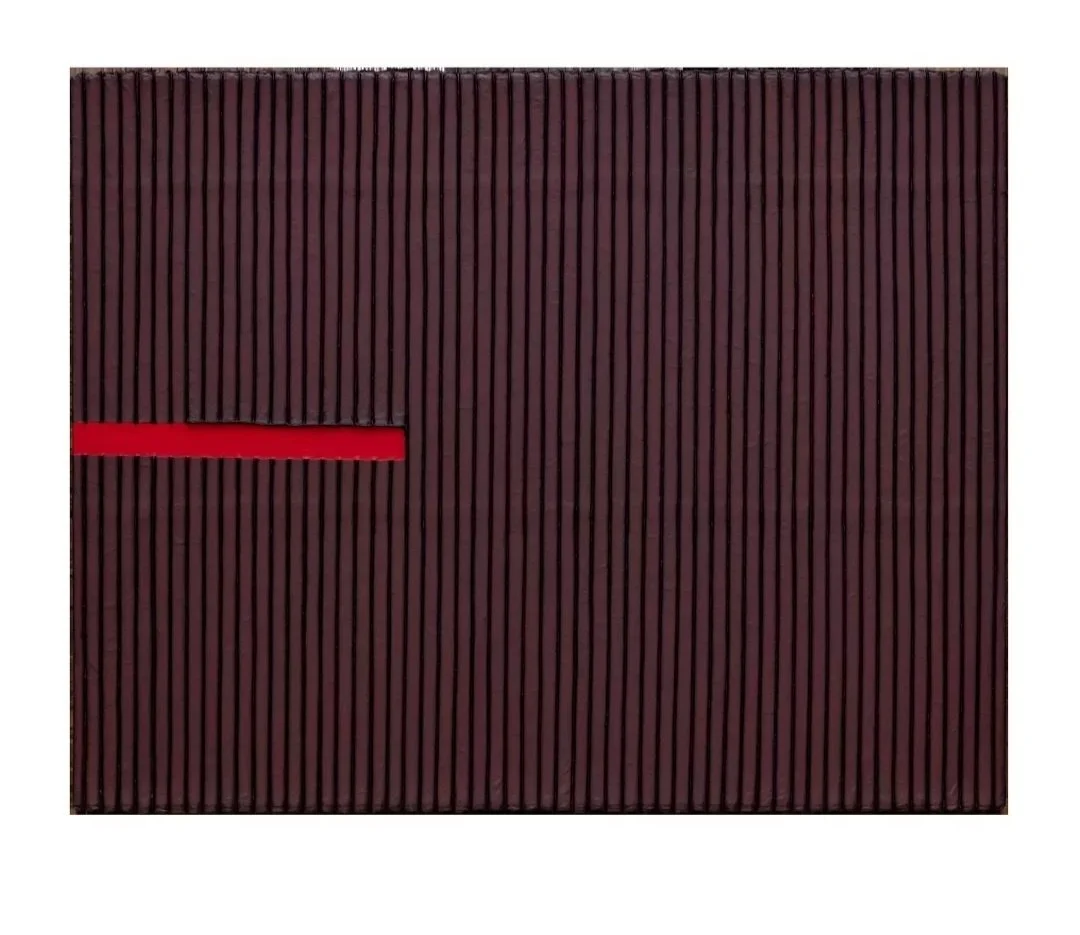
Ecriture No.180113, mixed media with Korean hanji paper on canvas, 38×45.3cm 2018

Ecriture No.150615, mixed media with korean Hanji Paper on canvas, 130x200cm, 2015


Ecriture No.120310, mixed media with Korean hanji paper on canvas, 64x82cm , 2012
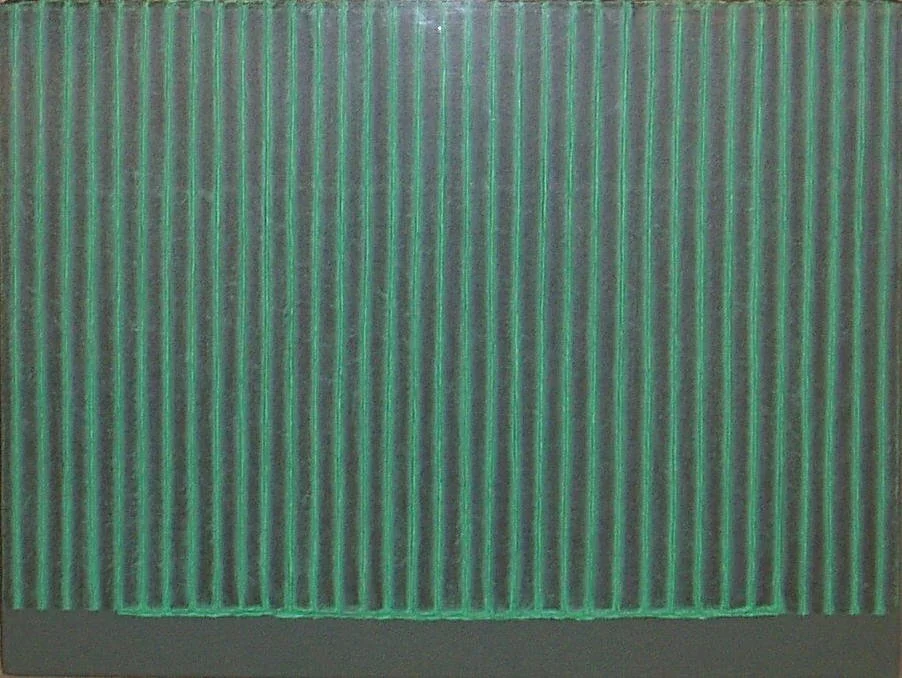
Ecriture No.020210, mixed media with Korean paper on canvas, 130x195cm, 2002