Lee Kunyong
b.1935
이건용은 1960년대 후반부터 한국 실험미술의 형성과 전개에 중요한 역할을 해 온 작가로, 신체와 행위, 공간의 관계를 중심으로 독자적인 조형적 실천을 발전시켜 왔다. 1942년 황해도 사리원에서 태어난 그는 1970년 전위예술 연구집단인 ST(Space and Time)의 창립에 참여했으며, AG(한국아방가르드협회)의 활동을 비롯해 당시 한국 현대미술의 개념적·실험적 흐름을 주도했다. 그의 작업은 회화와 조각, 설치, 퍼포먼스의 영역을 가로지르며 예술적 행위가 성립하는 조건에 대한 지속적인 탐구로 이어져 왔다.
1970년대 중반부터 전개된 《이벤트-로지컬(Event-Logical)》은 일상적인 신체의 움직임과 행위를 일정한 논리적 조건 아래 수행하는 작업으로 구성된다. 《동일면적》과 《실내측정》을 비롯한 초기 퍼포먼스에서는 신체의 동작과 공간적 제약, 반복되는 행위의 관계가 주요한 구조를 이룬다. 이러한 작업은 완성된 조형적 대상을 중심으로 이해되어 온 기존의 미술 개념에서 벗어나 행위의 과정과 그것이 발생하는 상황 자체를 작품의 구성 요소로 전환한다.
《달팽이 걸음(Snail's Gallop)》에서는 신체의 이동과 그에 수반되는 흔적이 하나의 연속적인 행위로 결합된다. 작가는 일정한 자세와 움직임을 유지하며 공간을 가로지르고, 신체가 지나온 경로는 행위의 물리적 기록으로 남는다. 공간의 측정과 신체의 이동, 시간의 지속은 별개의 요소가 아닌 하나의 수행적 구조 안에서 전개된다.
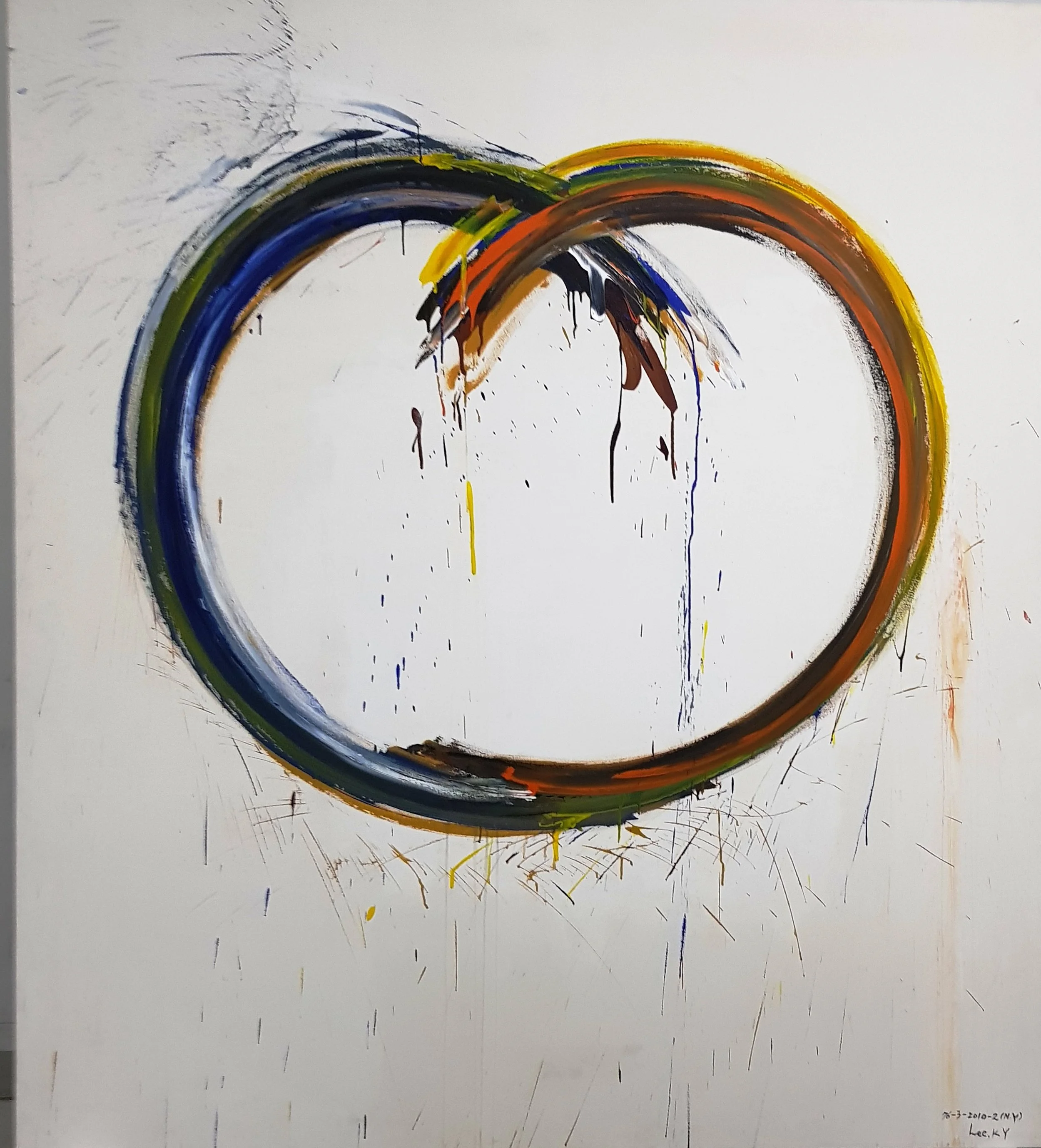
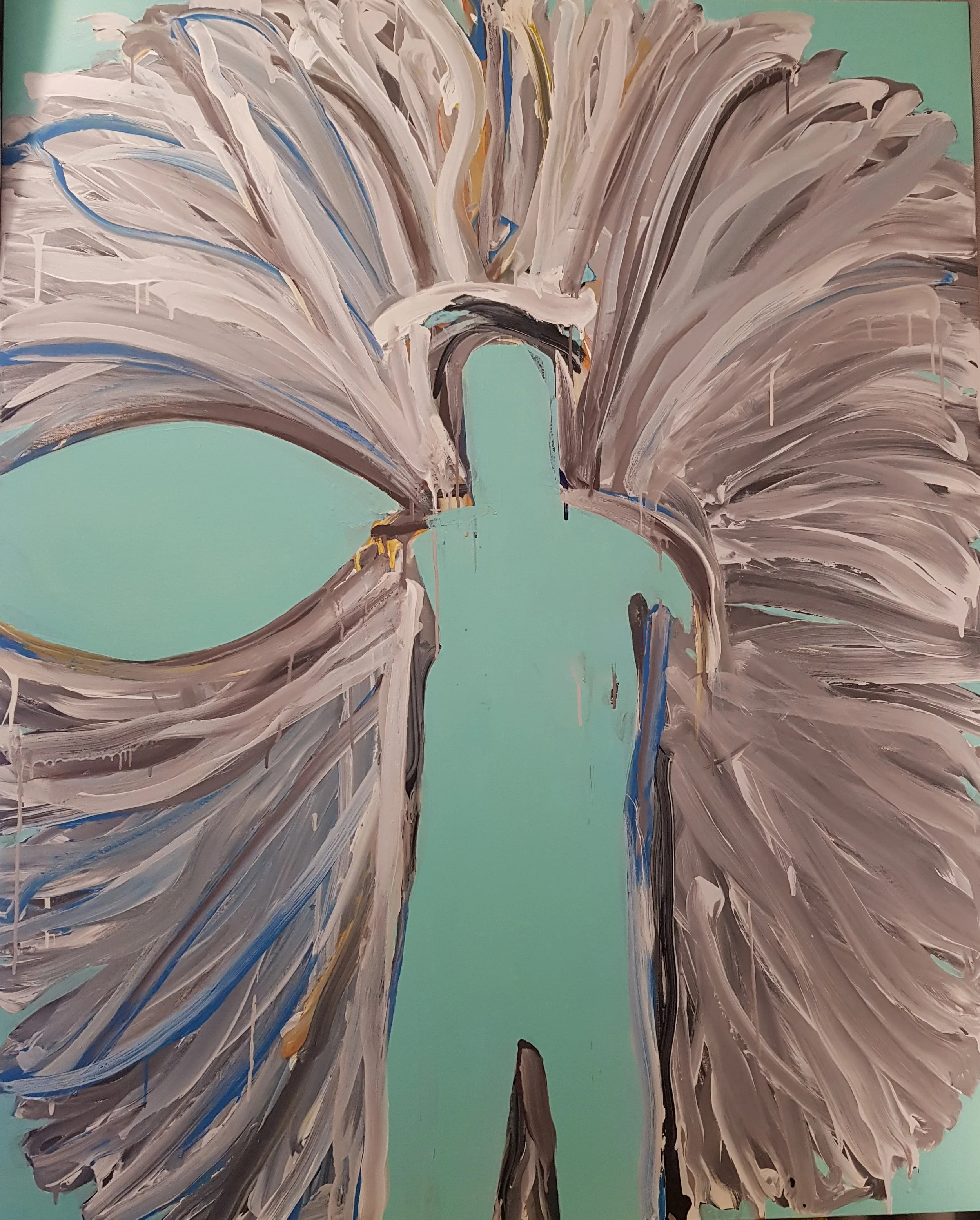
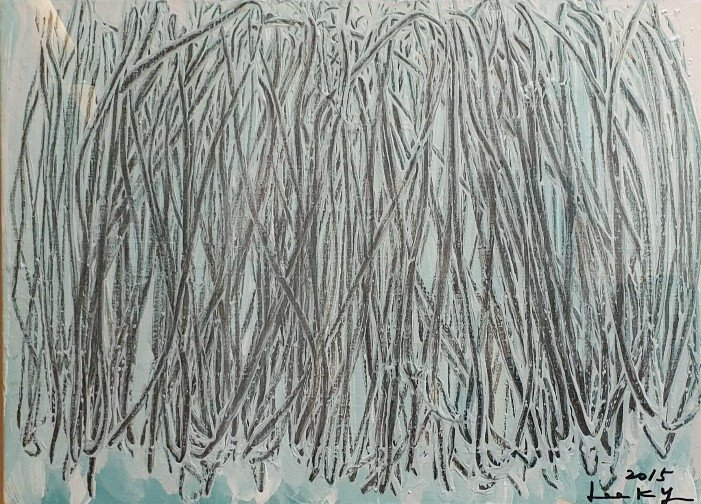
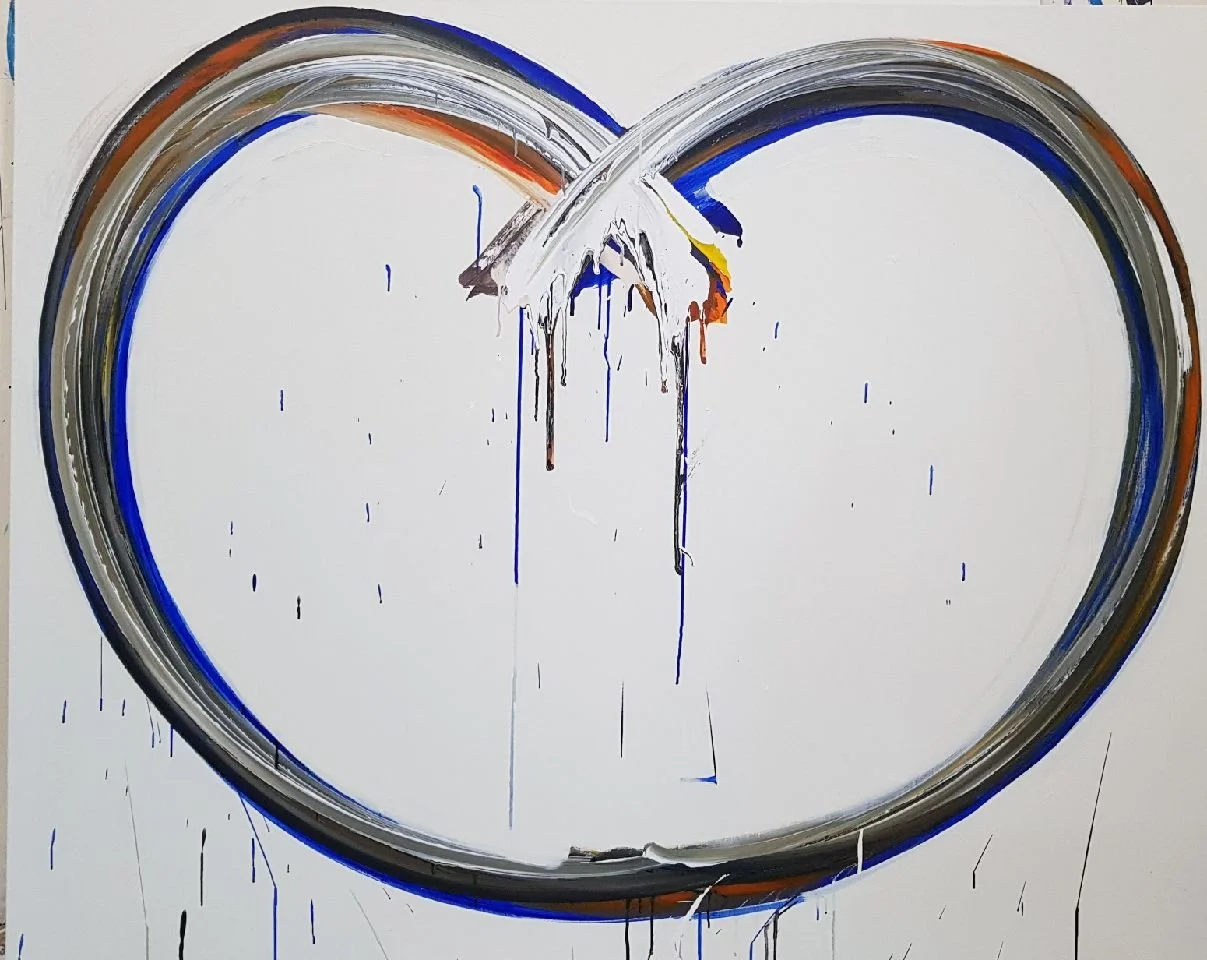
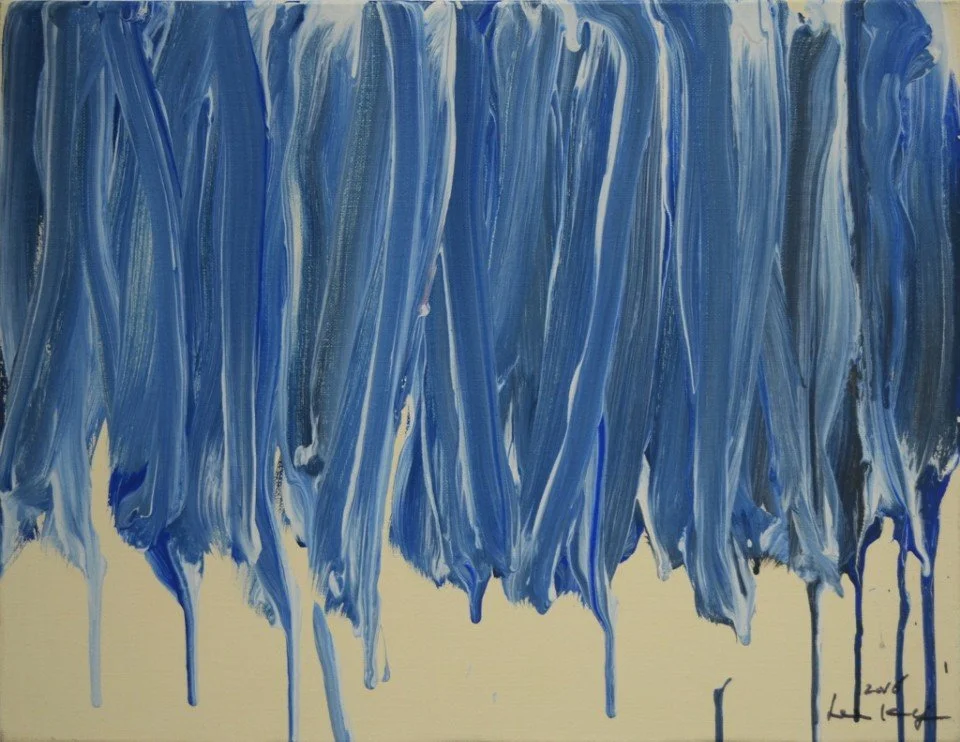
1976년부터 시작된 《신체드로잉(Bodyscape)》 연작은 이러한 문제의식을 회화의 영역으로 확장한다. 작가는 화면을 등지거나 팔의 움직임을 제한하는 등 특정한 신체적 조건을 설정하고, 그 안에서 가능한 동작을 통해 선을 형성한다. 시각적 통제보다 신체의 구조와 운동 범위에 의해 결정되는 화면은 기존의 회화적 재현과 표현의 관습을 재검토한다. 이 과정에서 선은 사전에 계획된 형상의 구현이 아니라 신체와 지지체 사이에서 발생한 행위의 흔적으로 남는다.
이건용의 작업은 1970년대 한국 개념미술과 행위미술의 역사적 전개에서 핵심적인 위치를 차지한다. 초기의 퍼포먼스에서 이후의 회화적 실천에 이르기까지 일관되게 유지되어 온 신체와 공간, 행위의 관계에 대한 탐구는 예술의 형식과 매체를 규정하는 기존의 조건을 지속적으로 재검토하며, 한국 실험미술의 독자적인 담론을 형성하는 데 중요한 역할을 해 왔다.
Lee Kunyong is a central figure in the development of Korean experimental art, whose practice has explored the relationships between the body, action, and space since the late 1960s. Born in Sariwon, Korea, in 1942, he co-founded the avant-garde research collective Space and Time (ST) in 1970 and was actively involved in the Korean Avant-Garde Association (AG), contributing to the conceptual and experimental developments of Korean contemporary art. Working across painting, sculpture, installation, and performance, Lee has sustained an inquiry into the conditions through which artistic actions and forms come into being.
Developed from the mid-1970s, his Event-Logical works are structured around the execution of ordinary bodily movements under predetermined logical and spatial conditions. Early performances, including Same Area and Indoor Measurement, examine the relationships between physical movement, spatial constraints, and repeated actions. Departing from conventional notions of the artwork as a completed object, these works position the process of action and the circumstances of its occurrence as integral components of artistic practice.
In Snail's Gallop, the movement of the body and the traces it produces are brought together within a continuous performative process. Maintaining a prescribed posture and sequence of movements, Lee traverses a given space, leaving behind a physical record of his passage. Spatial measurement, bodily movement, and temporal duration unfold within a unified structure of action.
Initiated in 1976, the Bodyscape series extends these investigations into the field of painting. By establishing specific physical constraints, such as turning his back to the canvas or limiting the movement of his arms, Lee produces lines determined by the anatomical structure and range of motion of his body. Rather than relying on visual control, these works reconsider established conventions of pictorial representation and expression. The resulting marks emerge as traces of an encounter between the body and the pictorial support, rather than the realization of a predetermined image.
Lee's practice occupies a significant position in the historical development of Korean conceptual and performance art during the 1970s. From his early performances to his subsequent investigations in painting, his sustained engagement with the relationships between body, space, and action has continually challenged the conventional conditions of artistic form and medium, contributing to the formation of a distinct discourse within Korean experimental art.
Selected works