Lee Ufan
b.1936
이우환은 1960년대 후반 일본에서 형성된 모노하(物派, Mono-ha)의 주요 이론가이자 실천가로, 전후 동아시아 현대미술의 전개에 중요한 위치를 차지한다. 1936년 경상남도 함안에서 태어나 일본 니혼대학교에서 철학을 공부한 그는 회화와 조각, 저술을 아우르며 예술적 행위와 세계의 관계에 관한 독자적인 사유를 발전시켜 왔다.
그의 작업은 제작과 표현을 중심으로 구축되어 온 근대미술의 관습에서 벗어나, 물질과 공간의 관계를 조형적 실천의 중심에 놓는다. 1960년대 말부터 전개된 《관계항(Relatum)》은 자연석과 철판, 유리 등 상이한 물질의 병치를 통해 형성되며, 재료에 대한 최소한의 개입과 배치의 행위로 이루어진다. 이러한 접근은 작품을 자율적인 대상으로 규정하는 기존의 조각 개념에 근본적인 질문을 제기한다.
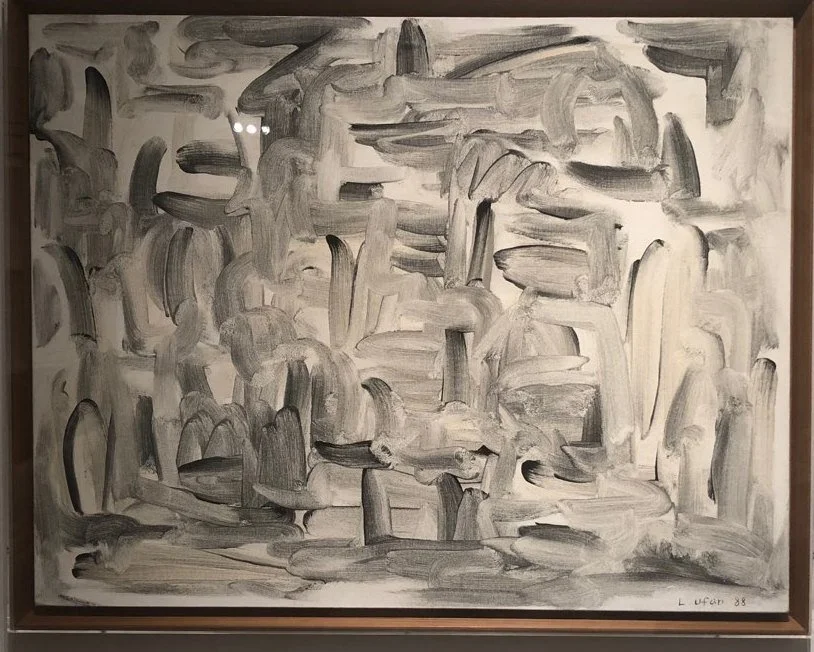
회화에서는 《점으로부터(From Point)》와 《선으로부터(From Line)》를 거쳐 《대응(Correspondence)》, 《대화(Dialogue)》에 이르기까지, 반복과 간격, 물질의 흔적과 화면의 관계를 지속적으로 다루어 왔다. 초기 작업에서 드러나는 행위의 연속성과 점진적 소멸은 후기 회화로 이어지며 더욱 절제된 구성으로 이행한다. 서로 다른 시기에 제작된 연작들은 개별적인 형식의 변화 속에서도 일관된 조형적 사유를 공유한다.
이우환의 작업은 모노하와 한국 단색화의 역사적 전개와 교차하면서도 어느 하나의 미술사적 범주로 환원되지 않는다. 회화와 조각, 철학적 저술 사이를 오가며 구축해 온 그의 실천은 동아시아 현대미술의 독자적인 담론을 형성하는 데 기여했으며, 오늘날까지 국제적인 미술사적 논의의 중요한 참조점으로 자리하고 있다.
Lee Ufan is a central figure in the development of postwar East Asian art and a leading theorist and practitioner of Mono-ha, an artistic movement that emerged in Japan in the late 1960s. Born in Haman, Korea, in 1936, he studied philosophy at Nihon University in Japan. Working across painting, sculpture, and writing, Lee has developed a distinct artistic and philosophical practice concerned with the relationship between artistic intervention and the world.
His practice departs from modernist conventions centered on production and expression, placing the relationship between material and space at the forefront of artistic inquiry. Initiated in the late 1960s, his Relatum series brings together natural stones, steel plates, glass, and other materials through acts of juxtaposition and minimal intervention. These works challenge established notions of sculpture as an autonomous object, shifting attention toward the conditions of its presence and the relationships established through its placement.
In painting, Lee's practice has evolved through the series From Point, From Line, Correspondence, and Dialogue, maintaining a sustained engagement with repetition, interval, material traces, and their relationship to the pictorial field. The continuity and gradual dissolution of gestures in his early works give way to increasingly restrained compositions in his later paintings. Despite their formal transformations, these bodies of work remain connected by a consistent conceptual and aesthetic inquiry.
While Lee's practice intersects with the historical trajectories of Mono-ha and Korean Dansaekhwa, it resists being confined to either movement. His sustained engagement across painting, sculpture, and philosophical writing has contributed significantly to the formation of a distinct discourse within East Asian contemporary art, establishing his work as an enduring point of reference in international art-historical scholarship.
Selected works


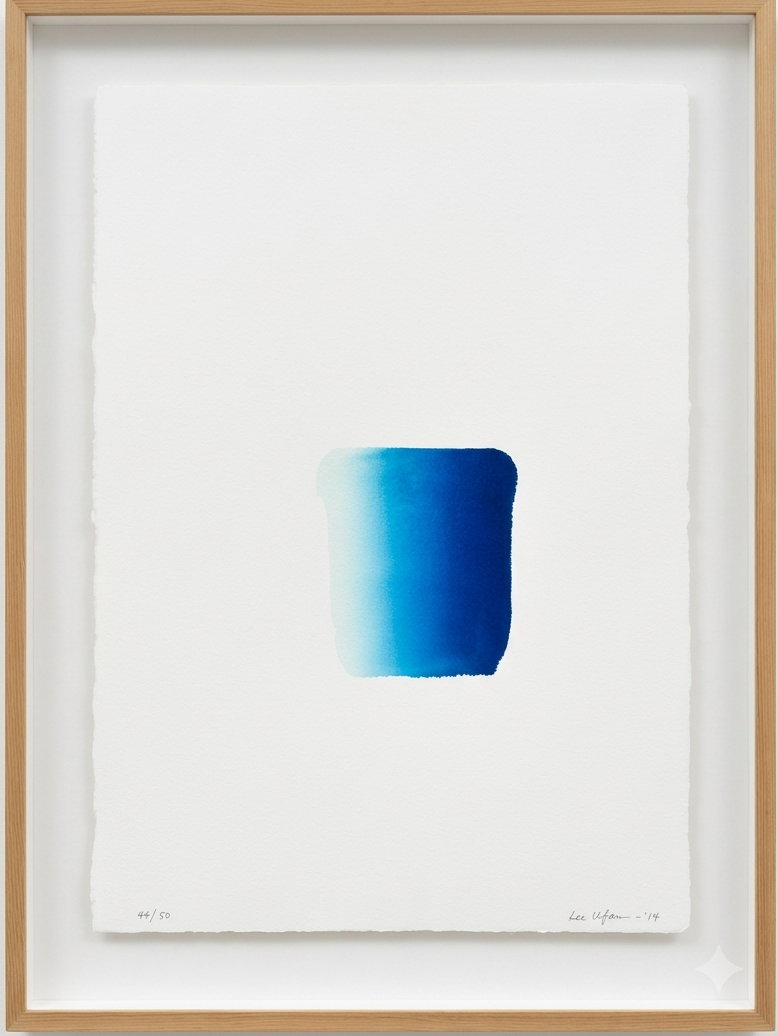
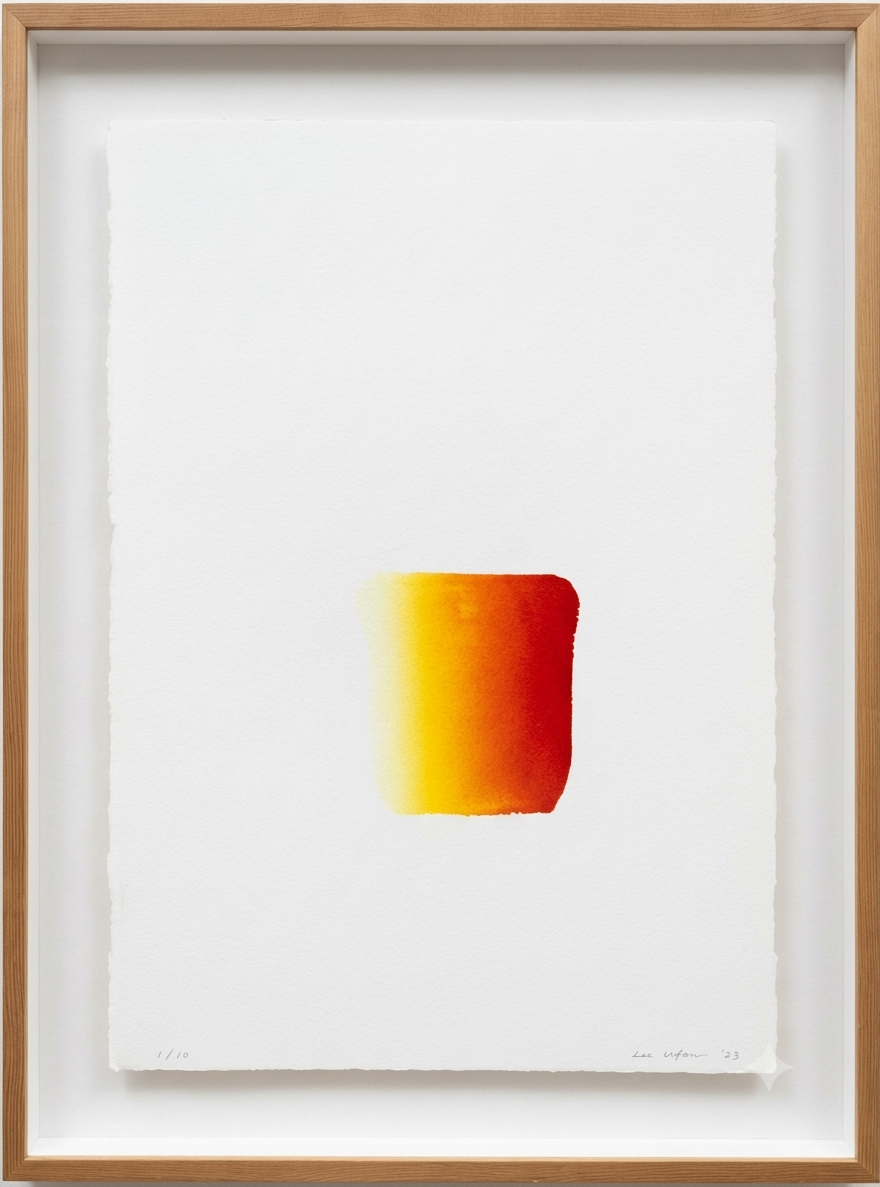
Selected Works
-

From Point
acrylic on canvas , 227x181cm, 1982
-
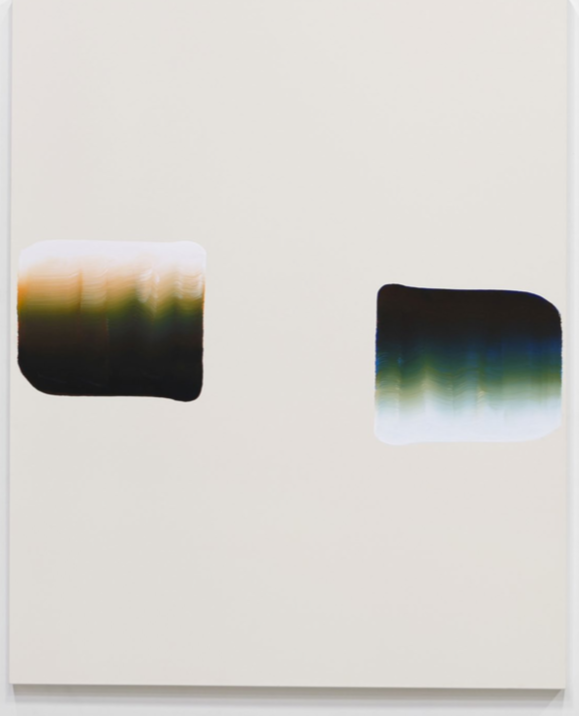
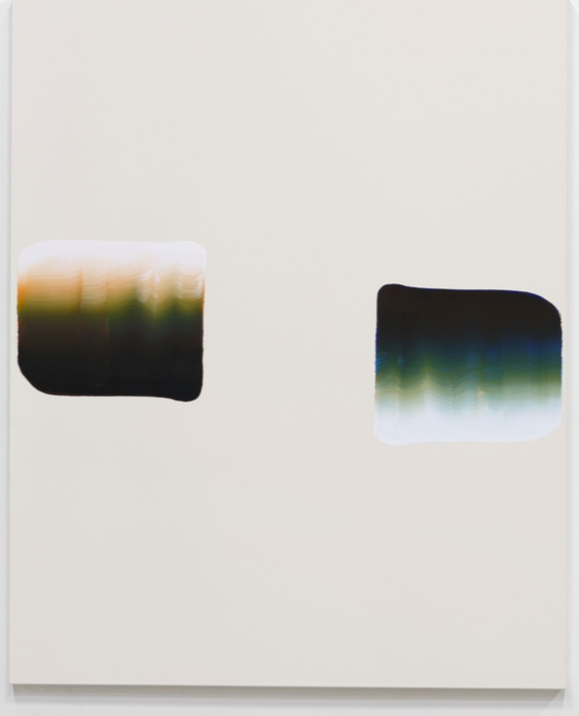
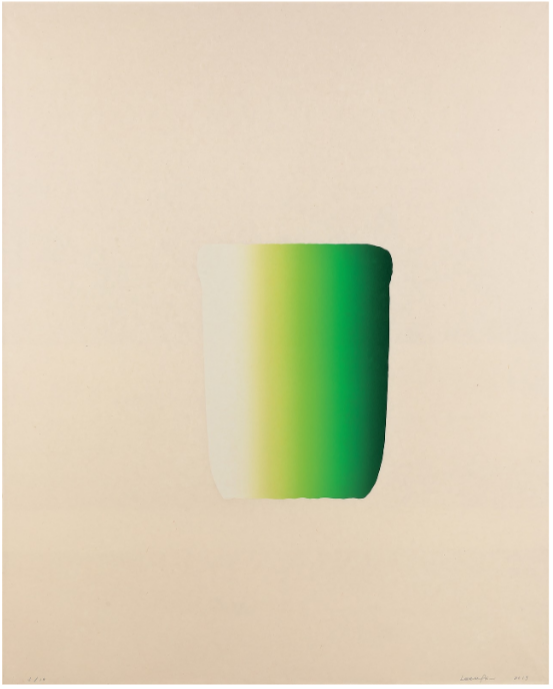
Dialogue
acrylic on canvas, 162×130cm, 2020
-
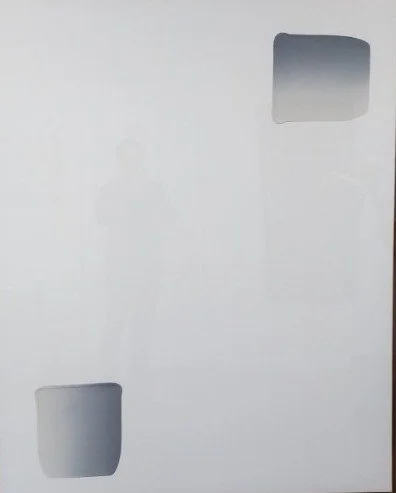
Dialogue
oil and mineral pigment on canvas, 162x130cm, 2013
-
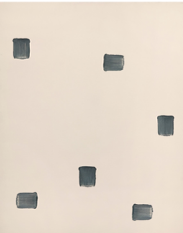
Correspondance
oil on canvas, 162x130cm, 1994